NFPA fire and life safety codes set the baseline for commercial fire safety. Your local Authority Having Jurisdiction decides how those codes are enforced, and your testing schedule is what proves your systems remain compliant when an inspector asks. Missed tests and unresolved violations can turn a routine walkthrough into a citation. They can also leave a safety system unprepared when it is actually needed.
This guide covers which codes apply to your building, how often each system needs testing, and where most violations come from.
What NFPA Fire Codes Actually Require of Your Building
NFPA 1 and NFPA 101 are the two codes that apply to nearly every commercial building:
- NFPA 1 deals with fire prevention and getting fire department equipment into and around your building.
- NFPA 101 deals with getting people out safely (exits, occupant capacity, and how the building itself is constructed).
Your local Authority Having Jurisdiction decides how strictly both are enforced, and that can vary even between neighboring counties.
What an Inspector Checks
- Fire log book: The running compliance record an inspector typically asks to see before anything else.
- Local amendments: Many AHJs adopt NFPA codes with additional requirements specific to their jurisdictions.
- Violation penalties: Range from a correction notice to fines or a temporary occupancy hold, depending on severity.
- Inspection triggers: Annual renewals, occupancy changes, and complaint-based visits all bring an AHJ inspector back to your building.
Enforcement isn’t uniform. A building in one Tennessee county can pass inspection under one set of local amendments while a similar building two counties over gets flagged for something else entirely.
We track those local variations as part of regular facility maintenance that supports operational excellence.
Fire Protection Systems Every Commercial Building Needs
Most commercial fire protection programs rely on three categories of equipment working together:
- Detection and alarm systems: Smoke detectors, pull stations, and notification appliances that alert occupants and emergency services.
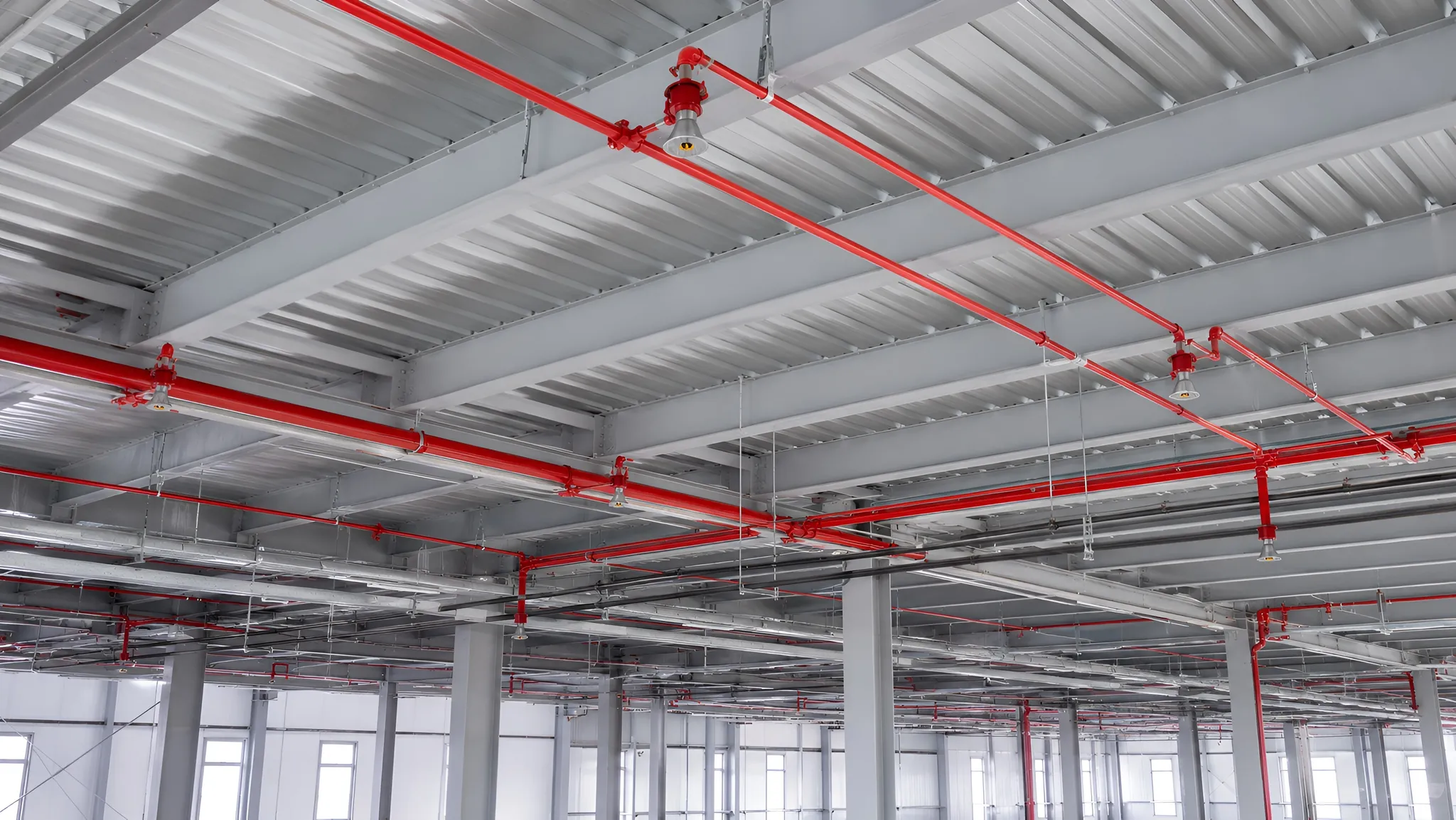
- Water-based suppression: Sprinklers, standpipes, and fire pumps that control a fire before first responders arrive.
- Specialized suppression: Clean-agent or chemical systems required for commercial kitchens, server rooms, and chemical storage areas.
Each fire protection system covers a different part of the response, and a gap in any one category creates the risk that a small fire will become a large one.
If your building’s kitchen relies on a standard water-based sprinkler to protect a grease fire, is it actually protecting anything?
Fire alarm and suppression systems require their own qualified inspection and testing providers. Our electrical team can support the life safety side of the building through emergency and exit lighting, along with the electrical systems those fixtures depend on. A commercial electrical inspection checklist can also help facility teams catch electrical issues that may affect safety or code compliance elsewhere in the building.
How Often Fire Sprinklers and Alarms Need Inspection and Testing
Fire protection systems have recurring inspection and testing requirements that facility managers need to keep on the calendar. Water-based sprinkler requirements fall under NFPA 25 and should be handled by a qualified fire sprinkler provider. Fire alarm inspection and testing requirements are addressed separately under NFPA 72.
| Frequency | What Gets Checked |
| Weekly | Control valves and gauges on dry or pre-action sprinkler systems. |
| Monthly | Gauges and alarm valves on wet pipe sprinkler systems. |
| Quarterly | Water flow alarms, fire department connections, and main drain tests. |
| Annually | Full system inspection, sprinkler head sampling, and fire pump performance testing. |
The important part for facility managers is knowing which provider is responsible for each system and keeping the required testing on schedule. Sprinkler inspections should stay with a qualified fire sprinkler provider, while a licensed provider should handle fire alarm testing.
A seasonal facility maintenance checklist can help keep recurring life safety and facility tasks from getting lost between inspections.
Keeping Emergency Exit Lighting and Egress Paths Code-Compliant
Emergency exit lighting and clear egress paths are two separate requirements under NFPA 101, and inspectors check both. Lighting has to prove it can work during an actual power loss, and pathways have to stay physically clear at all times.
What to Check Between Inspections
- Monthly test: Press the test button for 30 seconds and confirm both the light and the battery indicator respond.
- Annual test: Cut power to the fixture for a full 90 minutes and watch whether the light stays on the entire time.
- Clear pathways: Corridors, stairwells, and exits must stay free of storage, equipment, or furniture.
- Door hardware: Padlocks, chains, or other unapproved modifications on a fire exit are an automatic violation.
When was the last time someone actually let your emergency lights run the full 90 minutes, instead of just tapping the test button?
Detailed, documented testing supports operational excellence because it gives the AHJ a record of how the life safety lighting has been maintained.
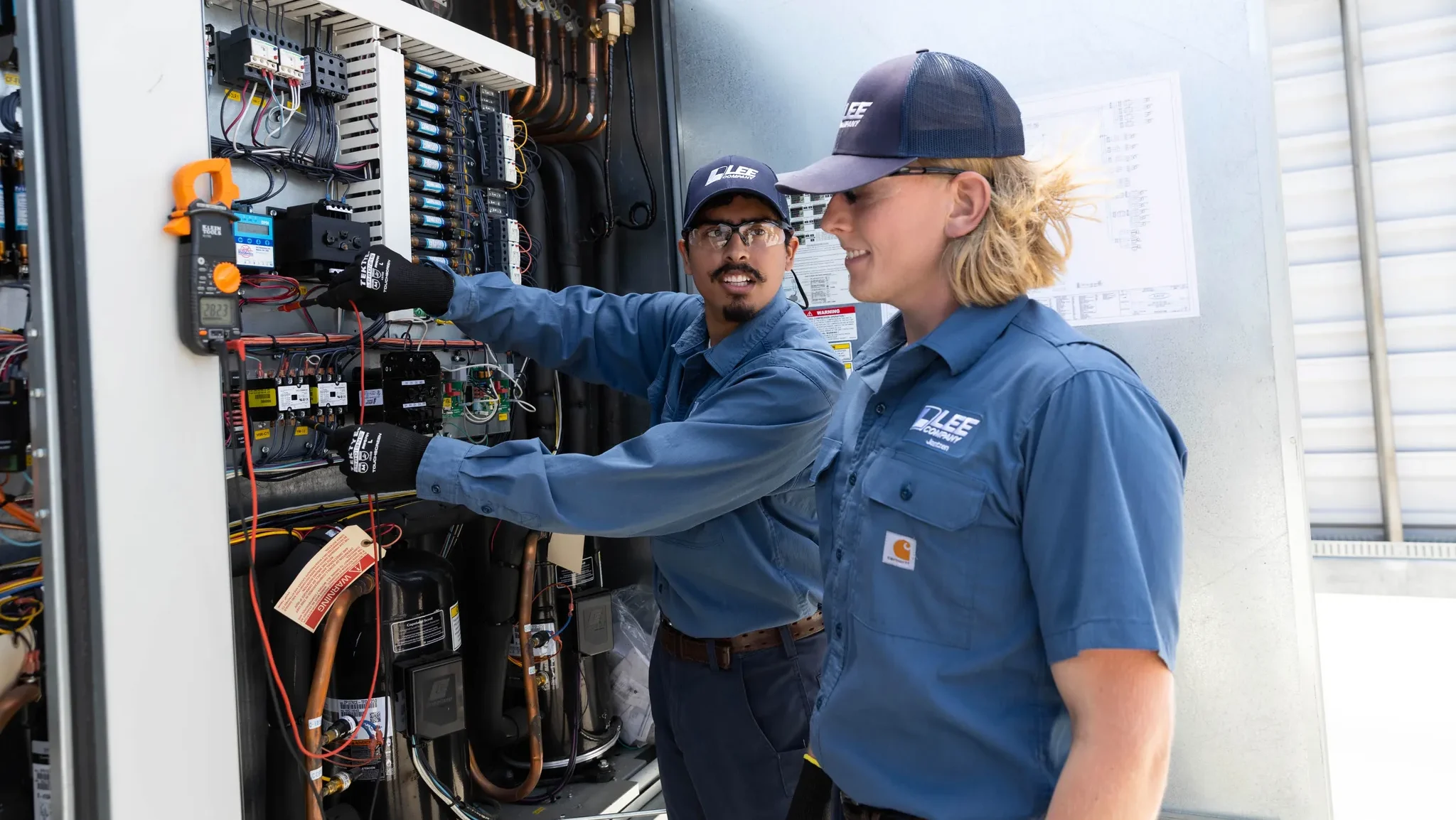
Our electrical technicians can test and service emergency and exit lighting, document the results, and address lighting or electrical issues found during testing. This means your compliance file is already being built before an inspector ever asks to see it.
Fire Hazards That Trigger the Most Violations
These are the hazards inspectors cite most in inspection reports for commercial buildings:
- Extension cords used as permanent wiring, often overloading a single outlet that was never actually close enough to the equipment that needs it.
- Combustible storage stacked too close to electrical panels or mechanical equipment, violating required clearance space.
- Kitchen hood grease buildup from skipped cleanings that turns a cooking surface into a fuel source.
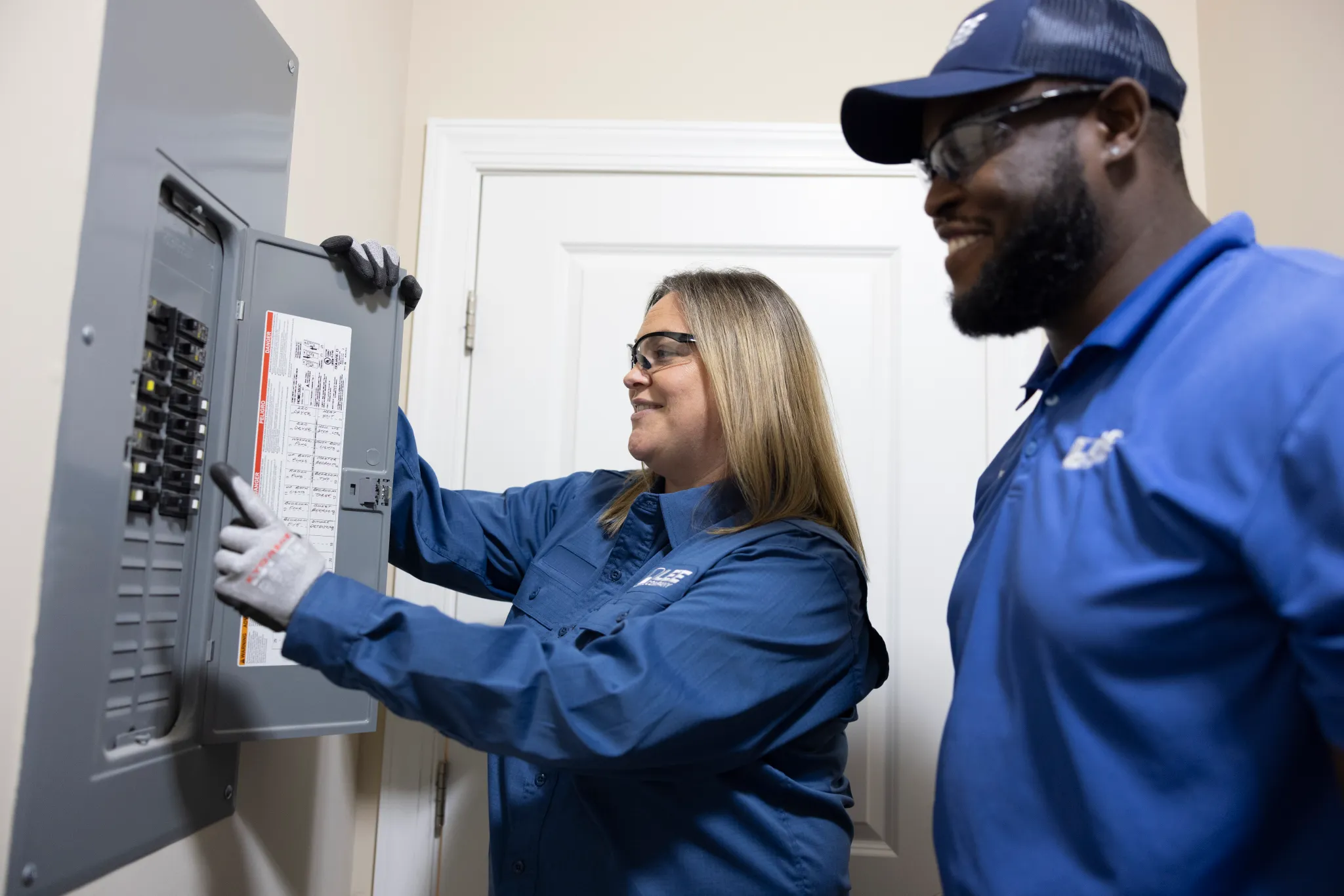
- Blocked electrical panels, where storage or furniture in front of a panel delays access during an emergency.
That ranking holds up in commercial fire inspection data collected by fire protection engineers, not just in what our own technicians see on-site.
Electrical hazards tend to carry the most risk. A full electrical panel inspection includes load testing circuits against actual demand, so an undersized circuit gets caught before it puts your building and occupants at risk.
One of our licensed electricians shared what they tend to find in the field:
“I see panels that were fine when the building was built, but the load around them has changed a lot since then. You have to have an electrician look at what the circuit is actually carrying today.”
How Modern System Integration Reduces Fire Risk
Integrated fire systems can help a building respond faster when an alarm goes off. Depending on how the systems are set up, that response may include unlocking access-controlled doors, shutting down HVAC supply fans, or activating smoke evacuation dampers automatically.
Integration also works before an alarm ever activates. NFPA 72 requires most commercial fire alarm systems to report to a supervising station, and a connected system pushes trouble signals (such as a dead battery or a disconnected device) straight to a facility manager’s phone instead of waiting until the next scheduled test to detect them.
This kind of response is one of the latest trends in automated facilities maintenance, turning a fire system from a passive requirement into an active part of how the building protects itself.
Coordinate Fire and Life Safety With Your Facility Maintenance
Fire and life safety requirements touch several parts of a commercial building, and different providers may be responsible for different systems. Keeping inspections, repairs, and records organized makes AHJ visits easier to prepare for and gives your team a better chance to catch facility issues before they create a bigger problem.
We’ve been in business since 1944 and support commercial properties across Tennessee, Alabama, Kentucky, and Georgia, including industrial facilities, airports, universities, and stadiums.
Because we already work across HVAC, plumbing, electrical, and facility maintenance, our team can help take some of the coordination off your plate when related building issues come up. For facilities with several recurring service needs, support from a professional facility management partner can also make scheduling and documentation easier to manage.
If you need help with ongoing facility maintenance or life safety lighting, our team is here to help!
Commercial Fire Safety FAQs
What is the difference between NFPA 1 and NFPA 101?
NFPA 1 is the Fire Code, covering fire prevention and fire department access. NFPA 101 is the Life Safety Code, covering means of egress and occupant protection. Most commercial buildings must comply with both.
How often do fire sprinklers need to be inspected?
Fire sprinkler systems need weekly or monthly visual checks depending on system type, quarterly testing of alarm devices, and a full annual inspection by a licensed technician, per NFPA 25.
How often should emergency exit lighting be tested?
Monthly, with a 30-second functional test, and annually, with a full 90-minute discharge test, per NFPA 101.
Can fire protection compliance affect insurance premiums?
It can. Insurance carriers often factor a documented history of testing and inspections into how they calculate commercial property premiums.