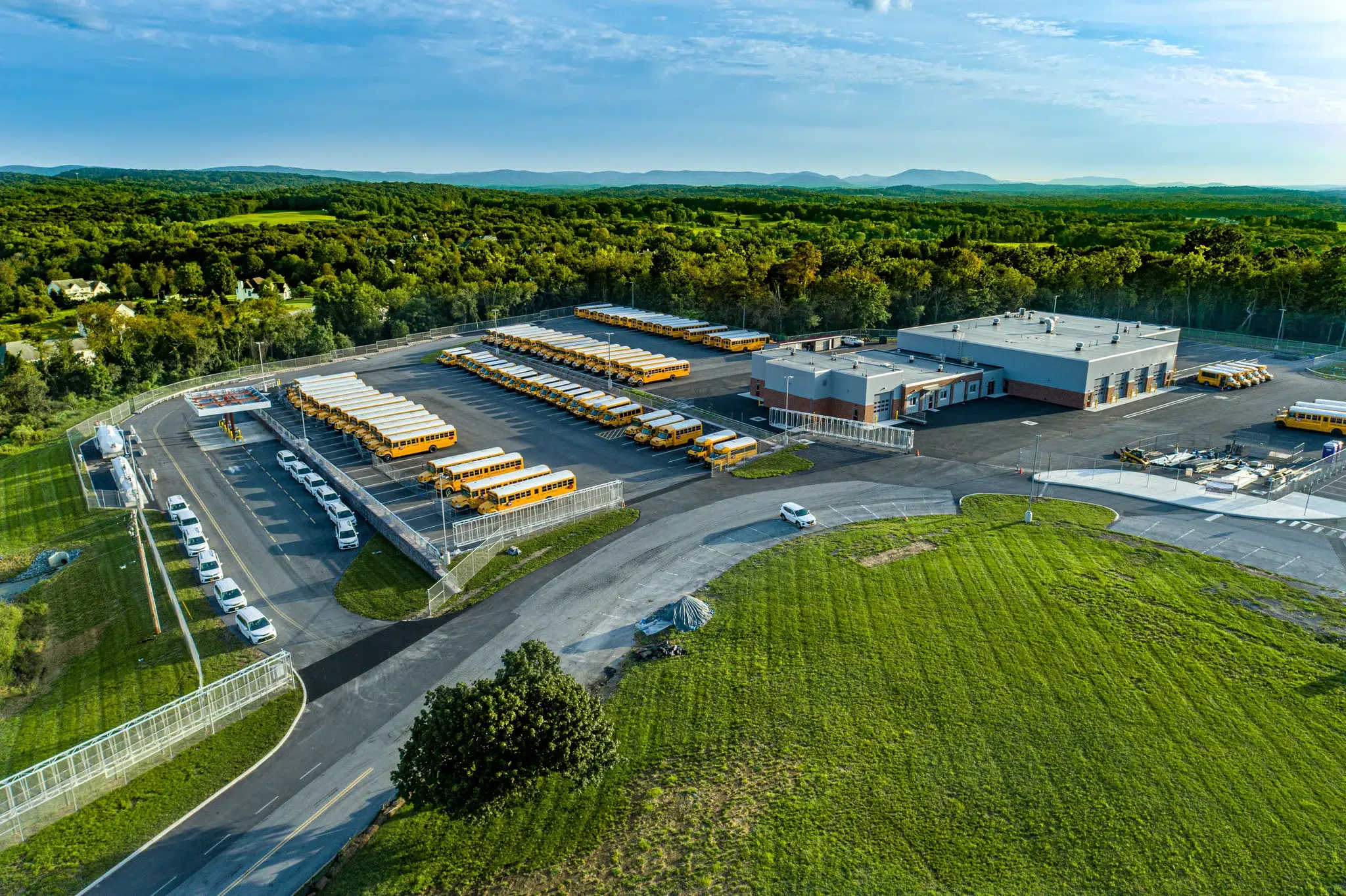
A school building maintenance checklist gives administrators and facility teams a clear way to track the systems that keep a campus safe, healthy, and ready for learning.
The checklists below break maintenance into practical areas your team can review, assign, and follow up on throughout the year.
Complete School Building Maintenance Checklist
A complete school building maintenance checklist should cover every major system that affects student safety, health, comfort, and daily operations.
| Maintenance Category | What to Check | When to Check |
| HVAC and IAQ | Filters, ventilation, coils, controls, outdoor air intakes | Before school starts, before peak heating/cooling seasons, and after repeated comfort complaints |
| Plumbing | Restrooms, fixtures, hydration stations, drains, leaks | After long breaks, before school starts, and during routine restroom walkthroughs |
| Electrical | Panels, lighting, backup power, exterior lighting | Before the school year, before winter, and after repeated power or lighting issues |
| Life safety | Fire alarms, emergency lighting, exit signs | Before the school year, before winter, and after repeated power or lighting issues |
| Security | Doors, locks, cameras, access control, intercoms | Before school starts, after hardware changes, and after any security-related concerns |
| Building envelope | Roofs, gutters, windows, doors, seals | Before rainy seasons, after storms, and before summer break projects |
| Grounds | Sidewalks, drainage, playgrounds, bus zones | Before school starts, after storms, and before high-traffic events like graduation |
Back-to-School Maintenance Checklist for the Summer Sprint
A back-to-school maintenance checklist should cover the repairs, inspections, deep cleaning, and system checks that must be done before students and teachers return to campus.
Summer Break Checklist
- Complete HVAC repairs before peak classroom use
- Strip, wax, and repair floors
- Deep-clean classrooms, kitchens, locker rooms, restrooms, and gyms
- Inspect roofs, gutters, exterior walls, doors, and windows
- Repair leaks, moisture issues, and damaged ceiling tiles
- Test plumbing fixtures, hydration stations, and touchless fixtures
- Update classroom lighting and replace failed fixtures
- Complete painting, patching, and carpentry work
- Test intercoms, fire alarms, emergency lighting, and access controls
The “Summer Sprint” is usually the best time to tackle the more disruptive work because classrooms are empty and access is easier. Once staff returns, every unfinished item competes with first-week logistics.
Some projects don’t fit neatly into summer break. At Giles County High, we helped renovate an active campus while students remained on-site, coordinating HVAC, plumbing, controls, and lighting upgrades around testing, school schedules, and daily operations.
School HVAC Safety and Indoor Air Quality Checklist
HVAC and indoor air quality (IAQ) maintenance should help facility teams catch airflow problems, humidity issues, musty odors, and repeat comfort complaints before they affect the school day. That means checking the systems that move air through classrooms, gyms, cafeterias, auditoriums, and other high-use areas.
Use this checklist during back-to-school walkthroughs, seasonal maintenance, or any time the same rooms keep causing comfort or odor complaints.
HVAC and IAQ Checklist
- Replace filters on schedule (use MERV 13 or higher filters where the equipment supports them).
- Keep outdoor air intakes clear.
- Inspect coils, belts, dampers, controls, and drain pans.
- Monitor humidity (aim for 40% to 60% where possible to reduce mold risk, especially in older buildings or areas with recurring moisture problems).
- Check for blocked vents or poor airflow.
- Review ventilation in gyms, cafeterias, auditoriums, and nurse areas.
School HVAC work becomes more complicated when a space has to serve multiple purposes. At Holy Family School, we supported a classroom expansion and FEMA-rated storm shelter with new HVAC, plumbing, and ventilation systems so that the building could support everyday comfort and emergency use.
School Plumbing and Water Safety Checklist
A plumbing checklist should help school maintenance teams keep fixtures working, catch leaks early, and keep water systems ready for daily use.
For K-12 schools, focus on restrooms, cafeterias, nurse stations, locker rooms, and bottle-filling stations. For colleges, add dorm bathrooms, dining halls, labs, and older high-use buildings.
Winter and summer breaks can create their own issues. Water sits in lines, traps dry out, and small leaks may go unnoticed until the building fills back up.
Use the plumbing checklist below to keep routine inspections focused and make sure recurring issues get a permanent fix.
Plumbing Checklist
- Flush water lines after long breaks
- Inspect restrooms, kitchens, labs, locker rooms, and nurse stations
- Check hydration stations and bottle fillers
- Review lead and copper testing requirements where applicable
- Inspect drains, traps, shutoff valves, and backflow prevention
- Repair leaking sinks, toilets, urinals, and flush valves
- Test touchless fixtures for reliable operation
- Check mechanical rooms and utility spaces for hidden leaks
- Verify floor drains are clear
Our licensed plumbers support schools with inspections, preventive maintenance, and 24/7 emergency repairs to keep campus plumbing reliable.
School Electrical and Lighting Maintenance Checklist
An electrical maintenance checklist helps schools keep lighting, panels, breakers, emergency power, electrical rooms, and safety-related systems working reliably. Electrical issues can affect classrooms, kitchens, security systems, technology, after-school activities, and safe access around campus.
This checklist should be handled by a maintenance person who’s qualified to work with electrical systems. Issues should be documented clearly, especially when problems repeat in the same area.
For K-12 schools, focus on classroom lighting, cafeteria power, exterior doors, and emergency systems. For colleges, add dorms, labs, server rooms, and larger backup power needs.
Electrical Checklist
- Inspect electrical rooms for clear access and visible damage
- Check panels, breakers, labels, and known trouble spots
- Test emergency lighting and exit signs
- Repair failed classroom, hallway, restroom, and gym lighting
- Inspect exterior and parking lot lighting
- Review generator and backup power needs
- Check power needs for kitchens, labs, servers, and security systems
- Document repeated breaker trips or power complaints
- Review surge protection needs for sensitive equipment
Our licensed electricians help schools with inspections, lighting, backup power, emergency response, and documentation that supports safer campus operations.
School Life Safety and Security Maintenance Checklist
A safety and security maintenance checklist should confirm that the systems your school relies on in an emergency are functioning. That includes fire alarms, emergency lights, exit signs, door hardware, intercoms, cameras, access controls, and visitor entry systems.
A door sweep is a simple way to catch safety issues. Walk the building and check that classroom, exterior, stairwell, and common-area doors close, latch, lock, and release the way they should.
Life Safety and Security Checklist
- Test fire alarms and document results
- Check emergency lighting and exit signs
- Inspect fire-rated doors and stairwell doors
- Confirm alarms and announcements can be heard across campus
- Check classroom and exterior door latching
- Test access control systems and electronic locks
- Review camera coverage and blind spots
- Check exterior lighting around entrances, parking lots, and walkways
- Confirm visitor entry systems work reliably
We help schools keep safety systems visible, testable, and easier to manage.
Seasonal School Maintenance Checklist
A seasonal school maintenance checklist should match how your building is actually used throughout the year. In the Southeast, school facilities may need cooling one week, heat the next, and drainage support after a heavy rain. Those swings can expose weak spots in HVAC, plumbing, roofs, lighting, and exterior areas.
Fall and Winter Checklist
- Test boilers, heat pumps, rooftop units, and controls
- Clear gutters, roof drains, storm drains, and parking lot drains
- Inspect exterior lighting before darker afternoons
- Review emergency contacts before holiday breaks
- Insulate exposed piping
- Check freeze protection controls
- Inspect mechanical rooms, crawlspaces, and exterior hose bibbs
- Review snow and ice plans for walkways and bus loading zones
Spring and Summer Checklist
- Inspect roofs after winter weather
- Plan major repairs before summer break
- Deep-clean classrooms and shared spaces
- Schedule HVAC service before peak cooling season
- Review capital projects before the next budget cycle
We can prepare all your most important systems before the weather turns small issues into closures or emergency calls.
Educational Facility Preventive Maintenance Checklist for Budget Planning
A good preventive maintenance checklist gives school leaders a clearer way to decide what needs fixing now, what can be planned for later, and what needs attention in the next capital planning meeting. That is especially helpful when buildings are aging, and every facility dollar has to be defended.
Use this checklist to identify systems that cost too much to repair, especially older HVAC, plumbing, and electrical equipment.
Budget Planning Checklist
- Track equipment age and repair history
- Rank systems by safety risk, downtime risk, and replacement cost
- Separate urgent repairs from capital projects
- Review recurring work orders for patterns
- Identify systems with rising energy use
- Compare repair cost against replacement timing
- Plan summer projects before contractor schedules fill
- Build a three-to-five-year capital needs list
- Present board-ready documentation with cost, risk, and timing
For school boards, the cheapest repair on paper may not be the cheapest decision long term.
Total Cost of Ownership means looking at the full cost of keeping a system running, including energy use, repairs, downtime risk, expected life, replacement timing, and the cost of working around failures.
If you’re not sure what equipment needs attention first, we can help prioritize high-impact repairs and plan larger replacements with you before they become emergency expenses.
University Campus Upkeep Guide: What to Add for Larger Campuses
A university campus upkeep guide should account for sprawling sites, year-round occupancy, and buildings with very different demands.
University Campus Checklist Add-Ons
- Coordinate shutdowns around housing, labs, events, and athletics
- Track maintenance across multiple buildings and departments
- Review dining, lab, dorm, and athletic facility needs separately
- Monitor utility use across larger mechanical systems
- Prioritize life safety and access control across high-traffic buildings
- Keep work order tracking consistent across campus
- Build capital plans by building type, not one campus-wide assumption
We help larger campuses manage maintenance across complex, sprawling building sites. At Belmont University’s Frist College of Medicine, our work supported classrooms, offices, and clinical learning spaces, which demonstrates why campus maintenance must account for how each building is used.
How We Help Schools Use the Checklist Year-Round
We help K-12 schools and public and private universities across the Southeast manage facility maintenance, emergency repairs, smart building needs, and long-term planning.
Our institutional support can be as simple as scheduled inspections that put a professional eye on your campus, or as involved as full facility management throughout the year. Contact us to build a plan around your campus.
School Building Maintenance FAQs
What is school maintenance?
School maintenance is the routine inspection, repair, cleaning, and upkeep of school buildings, grounds, systems, and safety equipment. It includes HVAC, plumbing, electrical, roofing, security systems, and seasonal work.
What is back-to-school maintenance?
Back-to-school maintenance is the final round of inspections, repairs, cleaning, and system checks before students and staff return. It usually includes classroom walkthroughs, HVAC checks, restroom repairs, safety testing, grounds cleanup, and open repair tracking.
Why is maintenance of a school important?
School maintenance is important because building conditions affect student health, safety, attendance, comfort, and learning. Preventive maintenance also helps schools reduce emergency repairs and plan future capital needs with fewer surprises.