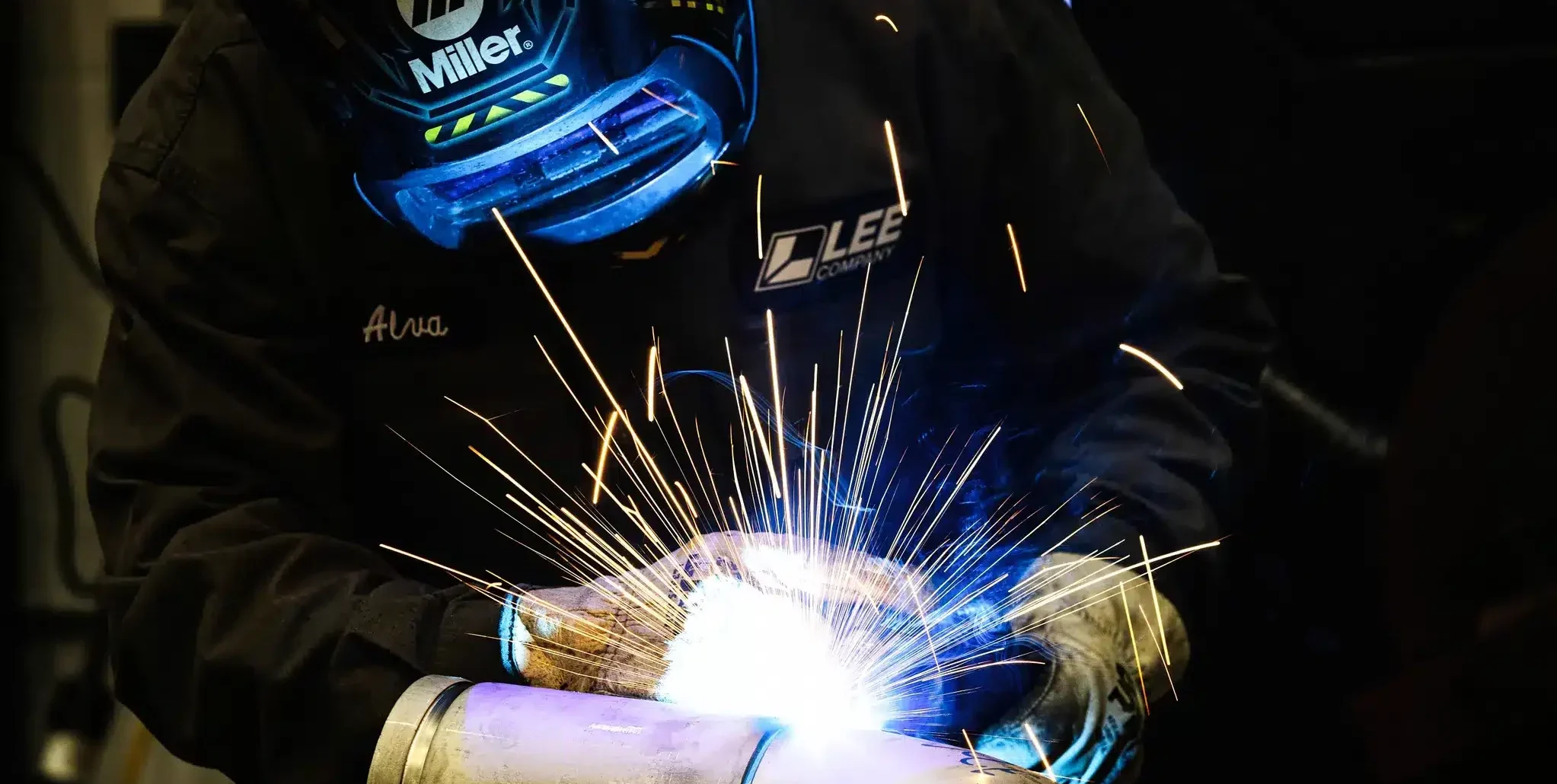
If there’s one thing we know for sure, it’s that the world isn’t slowing down. Technology is advancing by the minute, industries are evolving at record speed, and the demand for skilled professionals is higher than ever. But even with all the change happening around us, one thing remains steady: the skilled trades are here to stay, and they’re leading the way into the future.
Evolving with Technology
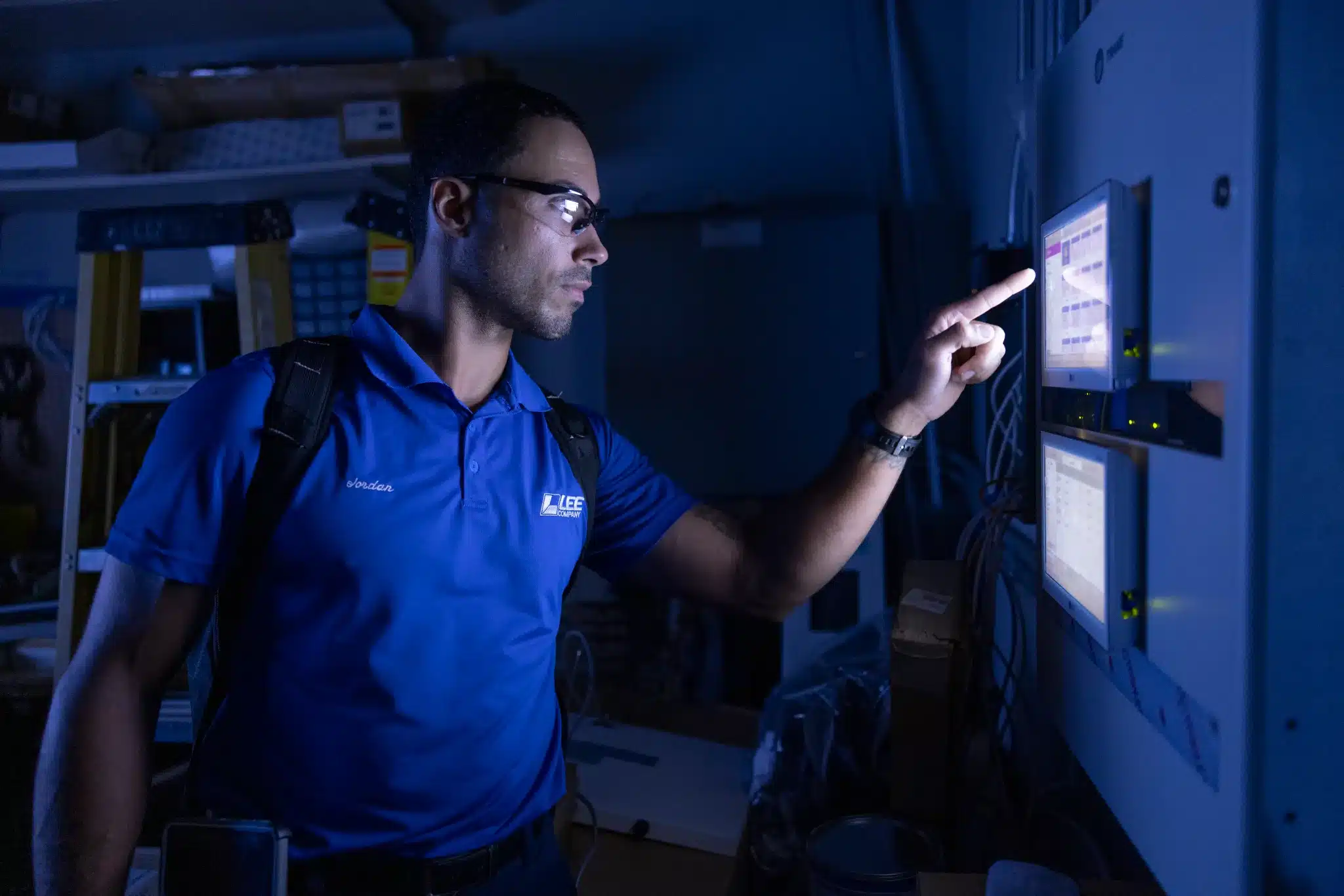
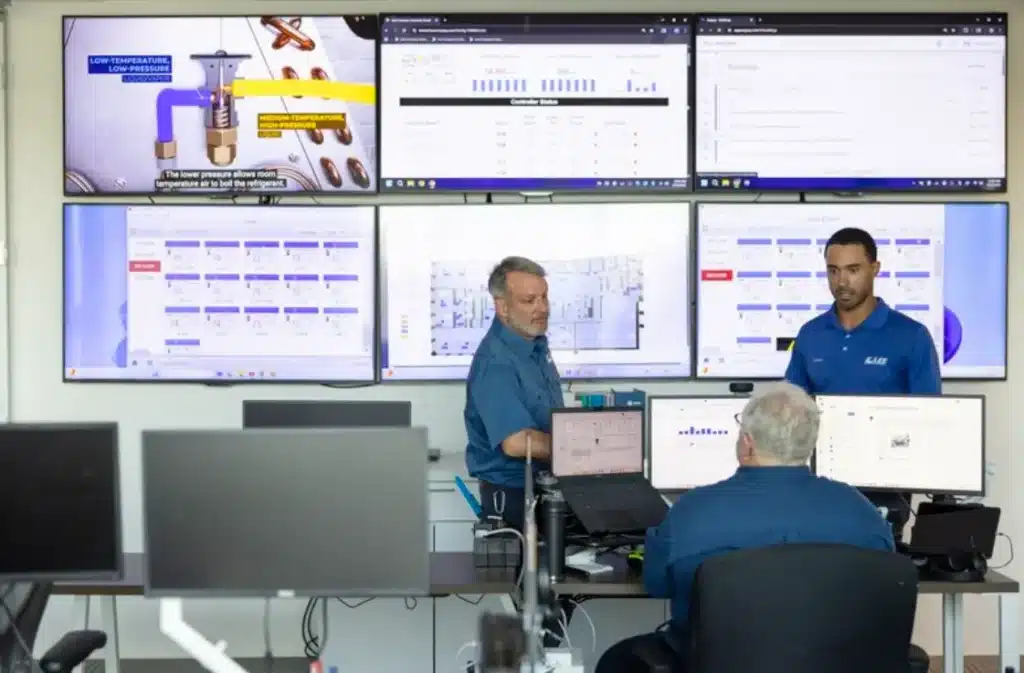
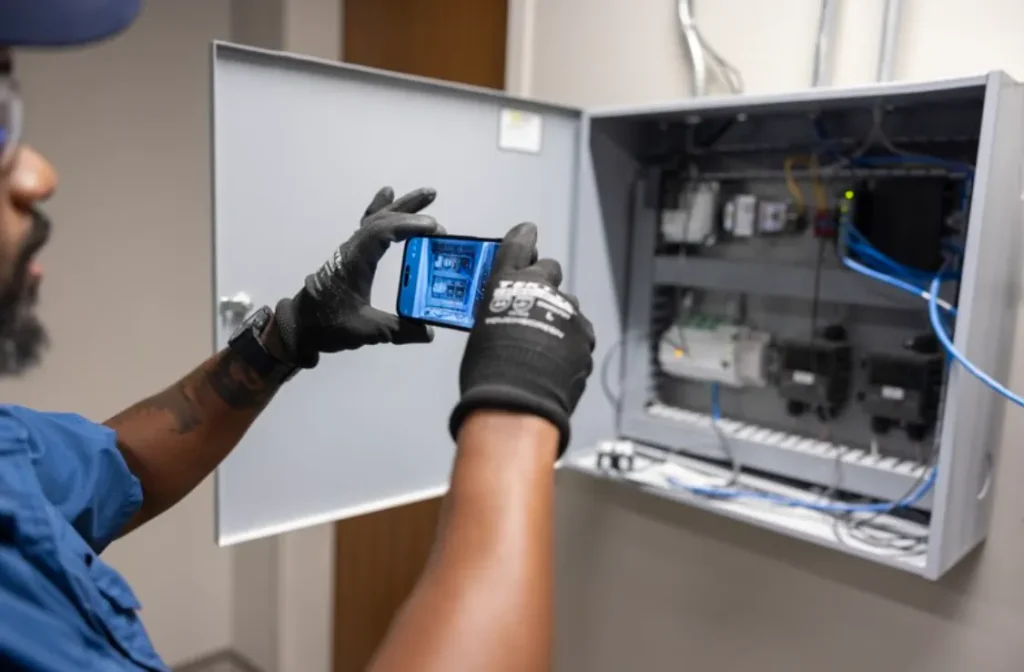
The idea that the trades are “old-school” is long gone. Today’s technicians, electricians, HVAC professionals, and plumbers work with some of the most advanced tools and systems you’ll find anywhere. Think smart sensors, automated building controls, energy-efficient equipment, augmented-reality troubleshooting, digital schematics, and predictive insights pulled right from equipment dashboards.
We see it every day: technology is elevating the work.
Diagnostics that used to take hours now take minutes. Teams walk into homes and facilities equipped with tablets, 3D models, and cloud-based service histories that make planning and repairs faster, safer, and more precise. Customers expect this level of sophistication. They want their buildings smarter, greener, and more efficient. Tradespeople are the ones making that possible.
Green technology is also reshaping the industry. Whether it’s installing high-efficiency HVAC systems, optimizing building performance, or preparing facilities for renewable-ready infrastructure, tradespeople are at the center of helping businesses and communities reduce their environmental impact. Sustainability isn’t a trend; it’s the new standard.

Opportunities for the Next Generation
Even as the work evolves, one thing hasn’t changed: there’s a growing need for skilled professionals. As experienced tradespeople retire, opportunities for younger workers continue to expand, offering stability, financial security, and a meaningful sense of purpose.
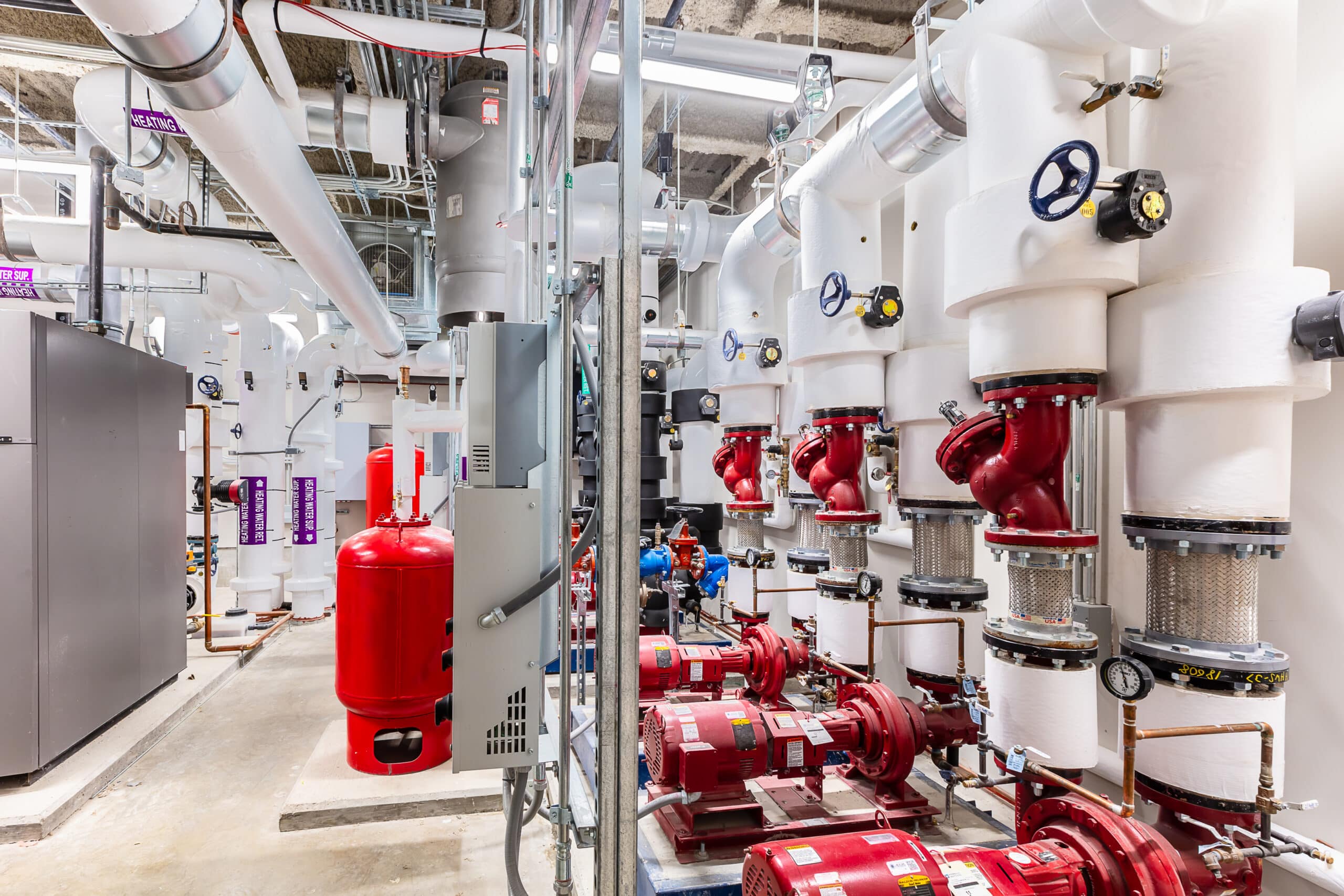
For young adults who want to build something real, solve problems, and make an impact they can see every day, the trades deliver. Whether it’s safely installing a new chiller, improving a building’s air quality, or restoring power after a storm, the results are real and rewarding. Many early-career professionals tell us it’s the pride and accomplishment that pulled them in.
Another advantage is that these pathways don’t require a traditional four-year degree. Apprenticeships, technical programs, and on-the-job training allow students to learn, avoid student debt, and step directly into high-demand roles. With new technology constantly emerging, there’s always a chance to grow and master something new. For the next generation, the trades offer both stability and stimulation, the two things young workers consistently say they want most.
Resilience and Relevance
If the last decade taught us anything, it’s that essential work doesn’t stop. Through economic shifts, global disruptions, and rapid technological change, the trades have proven time and again that they are the backbone of our homes and facilities. Systems still need to run. Buildings still need to be maintained. Hospitals, schools, data centers, and communities all rely on skilled workers to keep everything functioning.
This resilience is a big part of what makes the trades so appealing as they are continually adapting and advancing. They stay relevant because they meet fundamental human needs. As buildings become smarter, infrastructure grows more complex, and sustainability becomes a priority, the importance of tradespeople only increases.
We see the future of the trades as bright, innovative, and full of opportunity. We’re investing in training, technology, and the next generation of experts who will lead this industry forward. Whether someone is just starting out or looking for a meaningful career change, the trades offer a future with purpose—and a future that’s built to last.