A seasonal facility maintenance checklist helps you prevent equipment failures, reduce operating costs, and keep your building safe by addressing system needs before each seasonal change.
This property maintenance checklist breaks down what to inspect in each season, plus the daily and monthly habits that keep commercial buildings operating without surprises.
Spring Facility Maintenance Checklist
Spring maintenance addresses two specific problems in commercial buildings: Damage from winter freeze-thaw cycles and A/C systems that haven’t run since last September.
Key tasks to include in your spring maintenance checklist are:
Exterior and Roofing
- Check for Winter Damage: Walk the building perimeter and roof (if accessible). Look for foundation cracks from freeze-thaw cycles, loose shingles from wind, and split hose bibs from ice expansion. Downspouts that pulled away from walls will need to be reattached before spring rains.
- Clean Gutters and Downspouts: Remove debris that accumulated over winter. Blocked gutters cause water to pool near the foundation, leading to erosion, basement leaks, or landscaping damage during heavy rains.
- Inspect the Roof: Look for loose shingles or other issues that could cause leaks. Check for any cracks or damage in skylights or roof windows.
- Check Outdoor Lighting: Replace any burnt-out bulbs with energy-efficient LED options to improve safety, reduce energy costs, and enhance curb appeal.
Landscaping and Groundskeeping
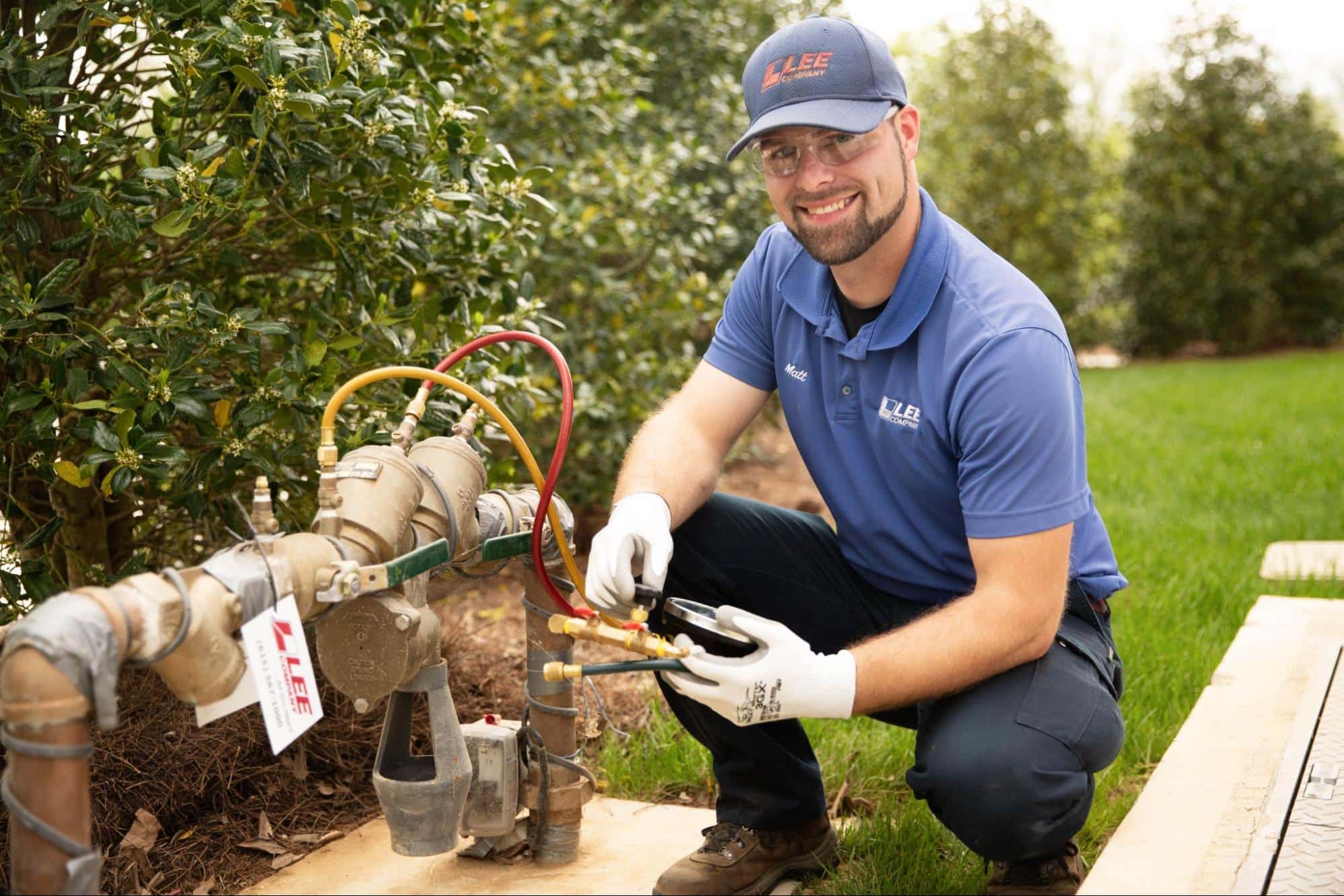
- De-winterize Irrigation Systems: Turn on the water, check for cracked lines, and adjust sprinkler heads that shifted out of position.
- Prune Trees and Shrubs: Remove dead or damaged branches before they become hazards in spring windstorms. Proper pruning also encourages healthy growth.
- Inspect Outdoor Furniture: For restaurants, hotels, and other businesses with outdoor seating areas, inspect and clean your furniture before peak season. This creates a positive first impression for customers and extends the lifespan of your furniture.
- Fertilize and Plant: Spring planting improves curb appeal and establishes growth before summer heat. Fertilizing now gives lawns and beds the nutrients they need for the growing season.
- Establish a Watering Schedule: Set up irrigation timers or smart controllers to avoid over-watering or under-watering. Smart irrigation systems adjust based on weather data, saving your business water and money.
- Power Wash Surfaces: Remove winter grime, salt residue, and green or black algae from walkways, parking lots, and building exteriors. This prevents slip hazards and maintains a professional appearance.
HVAC System Maintenance
- Change Air Filters: Spring allergies put extra demand on commercial HVAC systems. Fresh filters keep your HVAC system running efficiently and promote a healthy work environment, reducing sick days and improving performance. Most commercial properties should replace air filters once per quarter.
- Inspect Outdoor A/C Units: Remove debris from around the condenser. Look for bent coils, damaged fan blades, or cracked housings that need repair before you start running the system daily.
- Calibrate Thermostats: Place a thermometer next to the thermostat for 15 minutes and compare readings. Thermostats drift over time, and a reading that’s off by 1 degree can increase cooling costs by 3%. Larger drift means higher energy bills plus complaints from building occupants about uncomfortable temperatures.
- Schedule professional tune-ups: Spring is peak season for HVAC contractors. Book A/C maintenance early to ensure availability before the first heatwave. A professional tune-up identifies performance problems before they cause breakdowns.
Summer Facility Maintenance Checklist
Summer maintenance for a commercial building should prioritize energy efficiency, fire safety, and management of high-traffic wear. Warmer temperatures and increased building use require more frequent attention to HVAC systems, plumbing, and common areas.
The building envelope also takes on an important role during A/C season. Gaps around windows and doors let conditioned air escape, driving up utility costs.
Sealing these areas can reduce cooling expenses by 10-15% according to Department of Energy estimates.
Below are the essential tasks to prioritize during the summer months:
Building Maintenance
- Check and Repair Window Screens: Patch or replace torn screens. Insects get through even small tears, and open windows without intact screens prevent you from using natural ventilation on cool evenings.
- Seal Windows and Doors: Test weatherstripping by closing a dollar bill in the door. If you can pull it out easily, the seal is too loose. Replace worn weatherstripping and re-caulk gaps.
- Inspect Fire Extinguishers: Verify the pressure needle sits in the green zone. Check that the inspection tag is current and the pull pin moves freely. Recharge or replace units as needed.
- Alarms and Smoke Detectors: Run full tests on fire alarm systems and replace smoke detector batteries. Schedule professional inspections to maintain compliance with fire codes.
- Deep Clean Carpets: With more foot traffic, carpets will see a buildup of dirt, stains, and allergens. Schedule a deep cleaning to maintain your floors’ appearance and extend their lifespan.
Landscaping and Groundskeeping
- Maintain Landscaping: Continue fertilizing, watering, and pruning throughout the season. Consistent care keeps outdoor spaces healthy and attractive for customers.
- Monitor Pests: Watch for insects or rodents damaging plants or causing nuisances. Consider using environmentally friendly pest control methods to maintain a healthy property.
- Keep Parking Lot and Sidewalks Clean: Increased traffic means more debris. Regular sweeping, power washing, and pothole repairs improve safety and curb appeal.
- Update Outdoor Seating: Check chair legs and table surfaces for rust, loose bolts, or splintered wood. Add umbrellas or shade sails where customers or employees might sit in direct sun during lunch hours.
- Inspect for Water Runoff and Erosion: After heavy rain, walk the property to find puddles that don’t drain within 24 hours. Look for soil washing away from foundations or mulch eroding from landscaping beds.
HVAC System Maintenance
- Adjust Thermostat Settings: Raise cooling setpoints by 2-3 degrees during unoccupied hours. A building that needs 72°F during business hours can run at 76°F overnight and on weekends without affecting comfort.
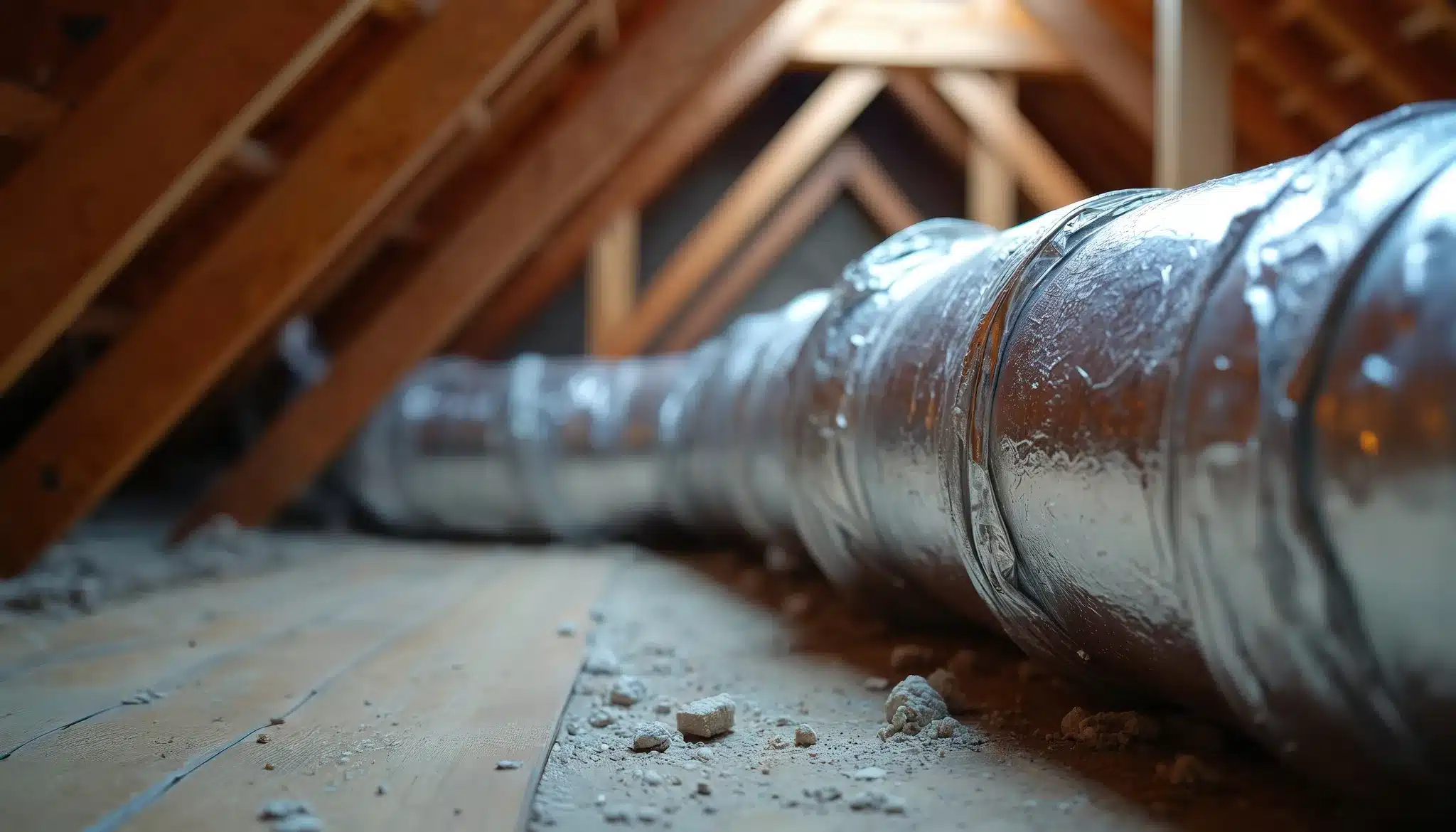
- Clean and Inspect Air Ducts: Schedule professional duct cleaning to remove the buildup of any dust and debris that could affect the performance of your commercial HVAC system.
- Change Air Filters: Increased cooling demand and summer pollen mean filters clog faster. Monitor filter condition monthly and replace as needed.
- Monitor Cooling Tower Water Systems: For facilities with cooling towers, check water quality, test for leaks, and ensure proper chemical treatment to prevent scale buildup and biological growth.
Fall Facility Maintenance Checklist
Fall maintenance transitions facilities from cooling to heating mode while addressing any summer wear before winter weather arrives. This season requires attention to heating systems, weatherproofing, and freeze protection.
The building envelope becomes critical again as temperatures drop. Heat loss through poorly insulated walls, attics, and crawl spaces can increase heating costs by 20% or more.
Fall is the time to seal gaps, add insulation, and ensure the building is ready to retain warmth.
Here are the commercial building maintenance items for the fall:
Building Maintenance
- Inspect Stairways and Handrails: Fall rain makes surfaces slippery. Test handrails by pulling hard. Loose mounts need immediate repair. Check stair treads for worn anti-slip tape or smooth spots where the coating has rubbed off.
- Schedule a Roof Inspection: Have a roofer check flashing around vents and chimneys, look for cracked sealant, and test membrane seams. These failures show up as leaks after the first heavy snow.
- Service Commercial Water Heaters: Heating demand increases as temperatures drop. Professional water heater maintenance ensures consistent hot water and helps identify issues such as sediment buildup or failing heating elements.
- Insulate Pipes: Winter weather can lead to many common plumbing issues in commercial buildings. Pipe insulation prevents burst pipes, water damage, and expensive emergency repairs.
- Test Emergency Systems: Run backup generators under load for 30 minutes. Check that emergency lights stay on when you cut power to the circuit, and verify that exit signs work.
Landscaping and Groundskeeping
- Rake Leaves: Clear leaves weekly during fall. Even a 2-inch layer of wet leaves suffocates grass and creates slick spots on concrete that cause slip-and-fall injuries.
- Winterize Irrigation Systems: Shut off and drain your irrigation system and hoses to prevent damage from freezing temperatures.
- Clean Gutters: Remove leaves before the first freeze. Clogged gutters overflow, and that water refreezes into ice dams that force melt under shingles.
- Store Outdoor Furniture: Move furniture, planters, and decorative items indoors or cover them securely. This extends their lifespan and prevents weather damage.
- Inspect for Exterior Damage: Walk the property and inspect for any exterior damage that may have occurred over the summer months, such as cracks in pavement or damaged siding. Addressing these issues before winter prevents further deterioration.
HVAC System Maintenance
- Schedule Commercial Furnace Service: Before the cold weather hits, schedule a professional furnace service to avoid breakdowns and reduce costs this winter. Technicians check burners, heat exchangers, gas connections, and safety controls.
- Clean HVAC Unit: Remove debris from around heat pumps and condensers. Replace air filters to ensure clean airflow during cold and flu season.
- Check Insulation: Inspect attics, crawl spaces, and mechanical rooms for adequate insulation. Proper insulation reduces heating costs and prevents frozen pipes in unconditioned spaces.
Winter Facility Maintenance Checklist
Winter maintenance focuses on heating system reliability, freeze protection, and occupant safety. Cold weather puts maximum stress on heating equipment and plumbing, making proactive monitoring essential.
Frozen pipes are among the costliest winter failures. A single burst pipe can cause tens of thousands of dollars in water damage, plus business interruption during repairs.
Maintaining adequate building temperatures in all spaces and monitoring weather forecasts allows you to take preventive action during extreme cold snaps.
Prioritize the following tasks to keep your facility running smoothly all winter long:
Building Maintenance
- Monitor Indoor Temperature: Monitor indoor temperatures during cold weather to ensure they remain consistent and comfortable throughout the building. Inconsistent heating could indicate a problem with your heating system.
- Seal Drafts: Weatherstrip doors and windows to prevent warm air loss. Drafts increase heating costs and create uncomfortable working conditions.
- Check for Ice Dams: Regularly check for gutter problems that could lead to ice dams on the roof, which can cause water damage and leaks. Remove any existing ice dams and improve attic insulation to prevent more from forming.
- Watch for Frozen Pipes: Monitor exposed pipes in unheated areas. If you notice any frost, bulging, or reduced water flow, take immediate action to thaw the frozen pipes and prevent them from bursting. During extreme cold, allow faucets to drip slightly to prevent freezing.
- Inspect Fire Safety Equipment: Test sprinkler systems, smoke detectors, and fire extinguishers monthly. Winter heating equipment increases the risk of fire, making functional safety systems critical.
Landscaping and Groundskeeping
- Remove Snow and Ice: Keep walkways, entryways, parking lots, and other outdoor areas clear of snow to prevent slips and falls. Use salt or eco-friendly ice melt to avoid damage to your landscaping.
- Winterize Plants: Protect vulnerable outdoor plants by covering them with mulch or burlap, and move potted plants indoors.
- Check Outdoor Lighting: Make sure all outdoor lights work and replace any burned-out bulbs. This will improve visibility for employees and customers during the darker winter months.
- Trim Trees and Branches: Trim back any overhanging tree branches that could potentially snap under the weight of heavy snow and cause damage to your building, any vehicles, or nearby power lines.
- Inspect for Damage: After each storm, walk the property to identify roof damage, siding issues, or interior leaks from frozen pipes or ice dams. Address problems immediately to prevent escalation.
HVAC System Maintenance
- Change Air Filters: Swap filters every 30 days when heating systems run constantly. Buildings with minimal fresh air exchange accumulate more airborne particles, clogging filters faster.
- Clear Vents: Check that supply vents aren’t blocked by furniture, storage boxes, or window treatments. Move anything within 6 inches of baseboard heaters. Blocked airflow reduces efficiency and creates fire hazards near baseboard heaters.
- Monitor Humidity Levels: During winter, indoor humidity levels can drop significantly, causing discomfort and potential damage to wood furniture and flooring. Use humidifiers to maintain a relative humidity of 30-50% for occupant comfort and building protection.
“Winter is when we get the most panicked calls about frozen pipes and heating failures. What people don’t realize is that most of these emergencies happen in buildings that skipped fall maintenance. A simple furnace inspection in September would have caught 80% of the emergency issues we’re fixing in January.”
— Commercial HVAC Operations Manager at Lee Company
Daily and Monthly Maintenance Tasks for Commercial Buildings
Beyond seasonal tasks, a facilities management daily checklist gives your team a clear routine to catch minor issues early so that your facility operates as expected, regardless of the season.
Facilities Management Daily Checklist
- Verify All Exits Are Clear and Accessible: Check that emergency exits remain unblocked and that panic hardware functions properly.
- Inspect Exterior Lighting: Walk the property perimeter each evening to identify burnt-out security lights or parking lot fixtures.
- Check Restroom Supplies: Ensure restrooms are clean, stocked, and functional. Report any plumbing issues immediately.
- Monitor Building Temperatures: Do a quick assessment of HVAC performance in different zones. Significant temperature variations could be a sign of problems.
Monthly Maintenance Tasks
- Test Emergency Lighting: Activate emergency lights and exit signs to verify battery backup systems function properly.
- Inspect HVAC Filter: Check the air filter’s condition and replace it if it’s dirty, even if the quarterly schedule hasn’t arrived yet. High-traffic periods may require more frequent changes.
- Review Maintenance Logs: Document completed tasks, identify recurring issues, and plan upcoming seasonal work.
- Walk the Property: Look for signs of damage, unauthorized access, landscaping issues, or drainage problems.
- Test Fire Alarm System: Run monthly tests on alarm panels and notify occupants in advance. Document test results for compliance records.
How Seasonal Facility Maintenance Reduces Operating Costs
Seasonal maintenance is a core part of preventative maintenance for commercial buildings because it addresses wear patterns before they turn into failures.
Commercial HVAC systems, for example, are typically designed to last 15 to 20 years, but that lifespan depends heavily on consistent maintenance and operating conditions.
When routine inspections are skipped, systems run under strain. Airflow restrictions, minor leaks, and calibration issues build up over time, forcing equipment to work harder and wear out faster.
Regular inspections also reduce liability exposure.
Documented maintenance demonstrates that safety systems, equipment, and building conditions are actively being monitored, which is important during OSHA inspections, audits, and incident investigations.
Equipment Lifespan: Preventive Maintenance Impact
| Building System | Typical Lifespan with Routine Maintenance | Typical Lifespan with Minimal Maintenance |
| Commercial HVAC | 15-20 years | 10-15 years |
| Commercial Roof | 20-30 years | 12-20 years |
| Water Heater | 10-15 years | 6-10 years |
| Plumbing System | 40-50 years | 25-40 years |
| Electrical System | 30-40 years | 20-30 years |
These ranges are based on industry guidance from organizations such as ASHRAE and BOMA, which track expected equipment lifespans in commercial facilities.
There’s also a strategic cost advantage to scheduling maintenance during off-peak seasons.
Spring and fall are typically less congested for service providers, making it easier to schedule work without delays and avoid the urgency that often comes with mid-season breakdowns.
One of our facilities maintenance technicians explains:
“The hardest calls are when you walk into a building that’s basically at a standstill, especially when it’s medical facilities. You know people are relying on that space, and a lot of the time, it’s something that had been building for months and could’ve been caught earlier.”
When to Hire a Facility Maintenance Partner
A professional facility maintenance partner helps identify issues early, manage complex systems, and reduce long-term operational risk.
Most teams don’t have the bandwidth to track every system, inspection schedule, and performance change. That’s where structured maintenance programs make a difference.
With our Facilities Maintenance plans, we act as an extension of your team by handling inspections, maintenance scheduling, and system oversight so you can focus on operations.
Facilities that move from reactive fixes to managed maintenance typically see:
- Fewer emergency service calls.
- More predictable maintenance costs.
- Improved system uptime.
Each season introduces new risks. A structured plan means nothing gets missed, and your systems are always ready for what’s next.
If you’re managing multiple systems, vendors, and priorities, having a partner to coordinate it all can make a huge difference.
Contact us for a proactive maintenance plan designed around your building, your systems, and your schedule.
Seasonal Facility Maintenance FAQ
What is a facility maintenance checklist?
A facility maintenance checklist, sometimes called a property maintenance checklist, is a structured list of tasks used to inspect, maintain, and prevent issues across building systems.
It helps facility managers stay organized so that nothing critical is overlooked during daily, monthly, or seasonal maintenance.
How often should commercial buildings perform maintenance?
Commercial buildings should follow a daily, monthly, and seasonal maintenance schedule.
Each frequency targets different risks: Daily for safety, monthly for performance, and seasonal for long-term system health and equipment longevity.
Why is preventive maintenance important for commercial buildings?
Preventative maintenance for commercial buildings reduces the risk of equipment failure, lowers repair costs, and improves operational reliability.
Addressing issues early helps avoid downtime that can impact revenue and safety.
What systems should be included in a maintenance plan?
A complete facility maintenance plan should include HVAC, plumbing, electrical, roofing, and safety systems. These systems directly impact comfort, safety, and business operations, with seasonal HVAC maintenance being one of the highest priorities for routine inspections.