The future of smart HVAC is simple: better system awareness before problems escalate.
If you oversee budgets, uptime, and occupant comfort, seeing issues sooner gives you more time to respond. With leaner teams and tighter margins, reacting late gets expensive fast.
In this article, we’ll explain what makes HVAC “smart” and how to adopt it without overextending your operation.
What Defines a Smart HVAC System
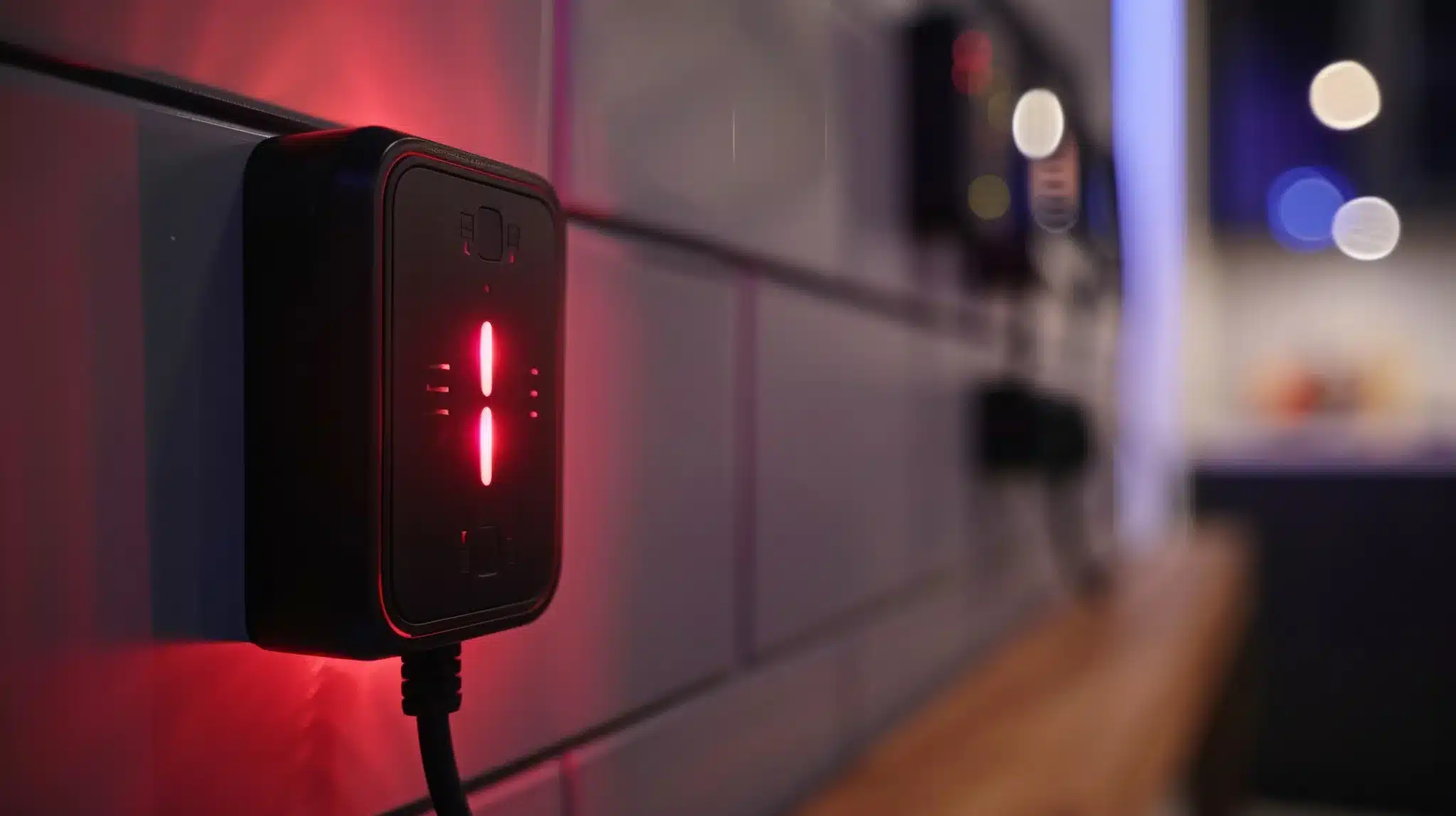
A smart HVAC system is a connected heating and cooling setup that uses sensors, controls, and real-time performance data to automatically adjust itself and alert your team when performance moves outside the expected range.
In a commercial building, that means you’re not relying solely on set schedules (e.g., running rooftop units from 6 a.m. to 6 p.m. regardless of occupancy) or fixed temperature targets (e.g., holding 72°F in every zone even when conference rooms sit empty).
Instead, the system is continuously measuring conditions like:
- Airflow
- Temperature
- Pressure
- Occupancy
It then responds to actual conditions inside the building and flags performance changes before they turn into complaints or service calls.
How Smart HVAC Differs from Basic Automation
Smart HVAC differs from basic automation because it responds to live building conditions instead of following fixed schedules alone.
- Automation: Runs HVAC equipment on programmed schedules and preset temperature targets.
- Smart HVAC: Uses sensors, diagnostics, and continuous monitoring to adjust based on actual building conditions and trigger alerts when performance declines.
Buildings don’t operate in fixed conditions. Occupancy shifts throughout the day. Outdoor temperatures swing. Equipment behaves differently across seasons and even between shifts.
Smart systems give teams a better handle on those shifts, cutting down on repeat issues and surprise expenses.
What “Smart” Looks Like in Daily Operations
Smart HVAC systems make performance easier to see and manage. Instead of reacting to symptoms and blind troubleshooting, your team works from clear system data.
- Temperature issues show up before someone submits a ticket.
- Repeated service calls reveal a pattern instead of starting from scratch.
- Trend logs get reviewed before a technician heads to the roof.
- High A/C load during peak occupancy is visible in advance.
That kind of insight keeps minor issues from turning into repeat work orders. It also keeps operating costs more predictable by reducing emergency service calls.
The Main Components of a Smart HVAC System
Most commercial smart HVAC systems include:
- Sensors that track temperature, humidity, CO2, pressure, and airflow.
- Controls such as variable air volume units (VAV boxes), rooftop unit controllers (RTU controllers), economizers, dampers, and valves
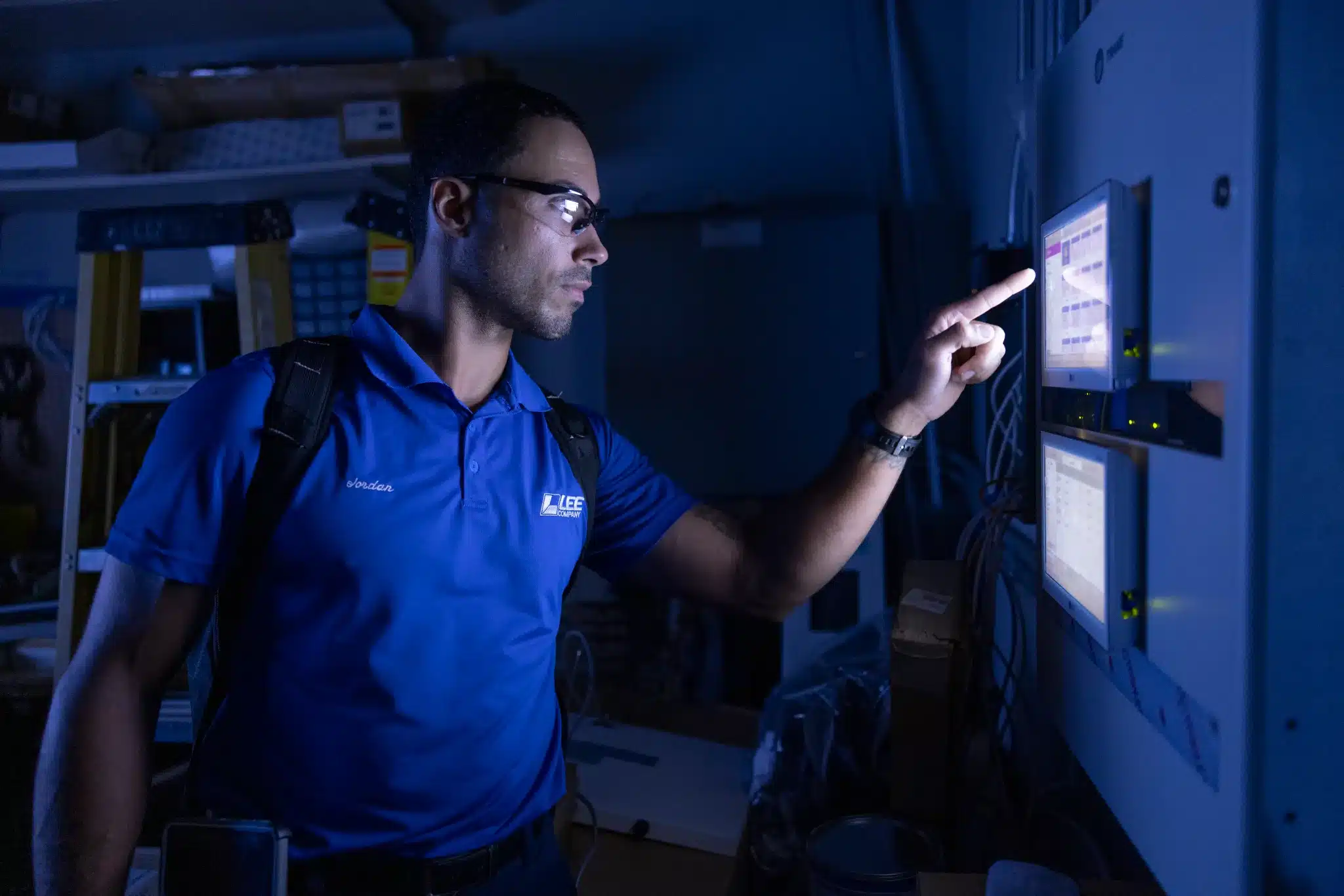
- A building automation HVAC layer that pulls data into dashboards and generates alerts.
Many facilities already have pieces of this smart building technology installed. The question is whether they’re fully connected and monitored in a way that actually helps your team.
Our approach is to assess what you have first. From there, upgrades stay targeted, disruption stays manageable, and capital spending stays within budget.
Why Smart HVAC Adoption Is Accelerating Now
More facilities are turning to smart HVAC systems because maintaining consistent performance has become harder with fewer resources.
Main drivers include:
- Smaller teams managing the same or larger buildings.
- Energy bills that fluctuate month to month.
- Higher expectations around comfort and uptime.
- More reporting and compliance demands.
- Limited tolerance for unexpected repair costs.
With tighter margins and leaner teams, reactive maintenance just carries more risk. That’s pushing more facilities toward predictive maintenance and smarter ways to monitor and manage HVAC performance.
We’re seeing this shift firsthand as more facilities ask us to evaluate their existing building automation systems before committing to major equipment replacements.
The Reactive Maintenance Reality (and What It Costs)
Industry-wide studies estimate that roughly two-thirds of commercial facilities still operate reactively rather than proactively. Some of these facilities are seeing as much as 40% in energy waste and unplanned failures.
In a typical building, that looks like:
- Controls gradually shifting out of calibration.
- Sensors failing or reporting inaccurate readings.
- Temporary overrides staying in place for months.
- Equipment running longer than necessary because no one adjusted the schedules.
No single issue seems urgent on its own, but over time, they stack up.
A system that worked well when it was first installed slowly becomes less stable and more expensive to operate.
Why HVAC Efficiency Is the Biggest Cost Lever
If you’re looking for one system that meaningfully affects your operating budget, HVAC is usually it. The data supports that:
- Space heating accounts for about one-third of total end-use energy consumption in U.S. commercial buildings.
- Electricity represents roughly 60% of overall commercial building energy use, while natural gas accounts for 34%.
Because HVAC accounts for such a big part of energy consumption, even small improvements can have a major impact on your budget.
Our role is to help facilities pinpoint where control adjustments and optimization efforts will cut waste and stabilize costs without unnecessary capital investment.
The Biggest Barriers to Smart HVAC Adoption
Smart HVAC projects often get installed but never fully adopted because:
- New controls don’t integrate cleanly with older equipment.
- Alarm lists grow so long that teams start ignoring them.
- Cybersecurity concerns delay access or restrict functionality.
- No clear owner for monitoring, response, and follow-through.
The technology itself usually isn’t the problem. Day-to-day execution is.
What to Plan for Before You Invest in Commercial HVAC Upgrades
Before investing in upgrades and expanding your smart HVAC capabilities, it helps to plan for:
- Integration with legacy systems and mixed-age equipment.
- Secure access and permissions to protect building automation systems.
- Alarm prioritization to prevent alert fatigue.
- Clear ownership: who monitors, who responds, and what “fixed” actually means.
Based on our experience working with commercial properties in the Nashville market, we estimate that 60-75% of buildings already have some form of Building Automation System installed.
One of our Facility Service Managers recently shared:
“We walk into buildings with BAS installed all the time. Sometimes alarms are disabled because they were too noisy. Sometimes schedules don’t reflect current occupancy. When we recalibrate sensors and tighten sequences, the system starts working the way it should have all along.”
So for many facilities, adopting smart HVAC doesn’t start with buying new equipment. It starts with making existing technology usable again.
With our Facilities Solutions & Management Services, we can make sure your system is set up right, monitored consistently, and maintained so it delivers results beyond install day.
A Phased Smart HVAC Adoption Plan
New technology tends to roll out more smoothly when you take it in steps rather than trying to overhaul everything at once. A phased approach keeps capital spending controlled and prevents overwhelming your team with too much change at once.
| Phase | Goal | Task | What Success Looks Like |
| 1 | Visibility | Assess existing BAS, validate sensors, confirm trend setup | Clear baseline of system performance |
| 2 | Quick Wins | Adjust schedules, tune economizers, refine setpoints | Measurable reduction in waste and complaints |
| 3 | Pilot | Upgrade one system, floor, or zone | Demonstrated ROI and smoother daily operations |
| 4 | Expand | Integrate additional systems and zones | Coordinated control across the facility |
| 5 | Optimize | Ongoing monitoring, alarm tuning, seasonal adjustments | Stable, predictable performance |
Most facilities see the fastest traction in Phase 1 and Phase 2, where clearer system visibility and better scheduling often reduce waste right away.
How Smart HVAC Improves Uptime and Daily Operations
Smart HVAC improves uptime by detecting problems earlier and giving your team usable information before issues disrupt occupants or operations.
With smart HVAC systems in place:
- Temperature shifts show up before the complaint calls start.
- Fault alerts give you direction instead of a mystery code.
- Maintenance gets scheduled based on urgency and system impact.
That shortens troubleshooting time and reduces repeat visits.
Where It Makes the Biggest Difference
Recurring comfort complaints:
Trends in performance data can reveal whether the issue lies in equipment, controls, or usage patterns.
Late-night escalation calls:
Remote access can resolve many issues without dispatching after hours.
Seasonal transitions:
Load shifts during changeover periods often reveal tuning problems. Monitoring catches them early.
As our Facility Services Operations Supervisor put it:
“The fastest way to lose a day is chasing a comfort complaint with no data. When you have trends and alarms, you stop guessing and start fixing.”
We custom-configure alert thresholds and monitoring, so your team gets meaningful alerts that save them time, trouble, and profits.
Smart HVAC Capabilities vs. Facility Outcomes
This table helps you prioritize smart HVAC features based on your goals, so you avoid paying for capabilities you won’t use.
| Capability | What It Helps Prevent | Operational Payoff |
| Continuous monitoring | Temperature problems and hidden inefficiency | Fewer comfort complaints |
| Fault detection and diagnostics | Surprise equipment failures | Faster troubleshooting |
| Remote access and control | After-hours escalation | Shorter disruptions |
| Building Automation System integration | Conflicting system behavior | More stable zone control |
| Optimization analytics | Energy waste and runtime overages | Lower energy spend |
Use this as a starting point, not a shopping list. Choose one or two outcomes that matter most right now (e.g., reducing comfort calls, stabilizing energy costs, cutting downtime), then align capabilities to those specific pain points before expanding further.
We use this same framework when helping facilities prioritize which upgrades will deliver measurable ROI first.
Our Approach to Smart HVAC
We approach smart HVAC with one objective: help you run the building with fewer disruptions and more control over costs.
That typically means:
- Reviewing existing controls before recommending replacements.
- Adjusting schedules and setpoints to match how the building is actually used.
- Eliminating energy waste from simultaneous heating and cooling across zones.
- Reducing unnecessary runtime through smarter scheduling.
- Fine-tuning performance as occupancy and seasonal demands shift.
Industry estimates suggest smart controls and automation like these can reduce annual commercial building energy use by 29%.
The real value goes beyond lower utility bills. It’s fewer escalations, more predictable budgets, and less time spent chasing issues that could have been caught earlier.
Why Partnering With the Right Provider Matters
A smart HVAC system is only as effective as the way it’s set up and maintained.
Partnering with us means working with a team that brings:
- Licensed and insured technicians
- 24/7 commercial service support
- Building automation integration and predictive analytics
- Energy services and safety system integration
- A company founded in 1944 with decades of commercial service experience
If you’re considering a pilot or phased rollout, schedule a consultation with our Smart Buildings Group. We’ll review your current BAS and controls and identify practical next steps that fit your building and budget.
Commercial Smart HVAC System FAQs
What makes a commercial HVAC system “smart”?
A smart commercial HVAC system uses sensors, controls, and real-time data to adjust operation based on actual building conditions. It continuously monitors performance and alerts your team when anything shifts outside expected ranges.
Can smart HVAC be added to existing buildings?
Yes, most commercial buildings can upgrade existing controls before replacing equipment. Many improvements start with tuning schedules, recalibrating sensors, and optimizing current BAS setups.
Does smart HVAC reduce energy use in commercial buildings?
Often, yes. Savings typically come from eliminating unnecessary runtime and correcting control conflicts.
Does smart HVAC replace maintenance?
No. It supports maintenance by helping teams catch issues earlier and plan service before failures occur.