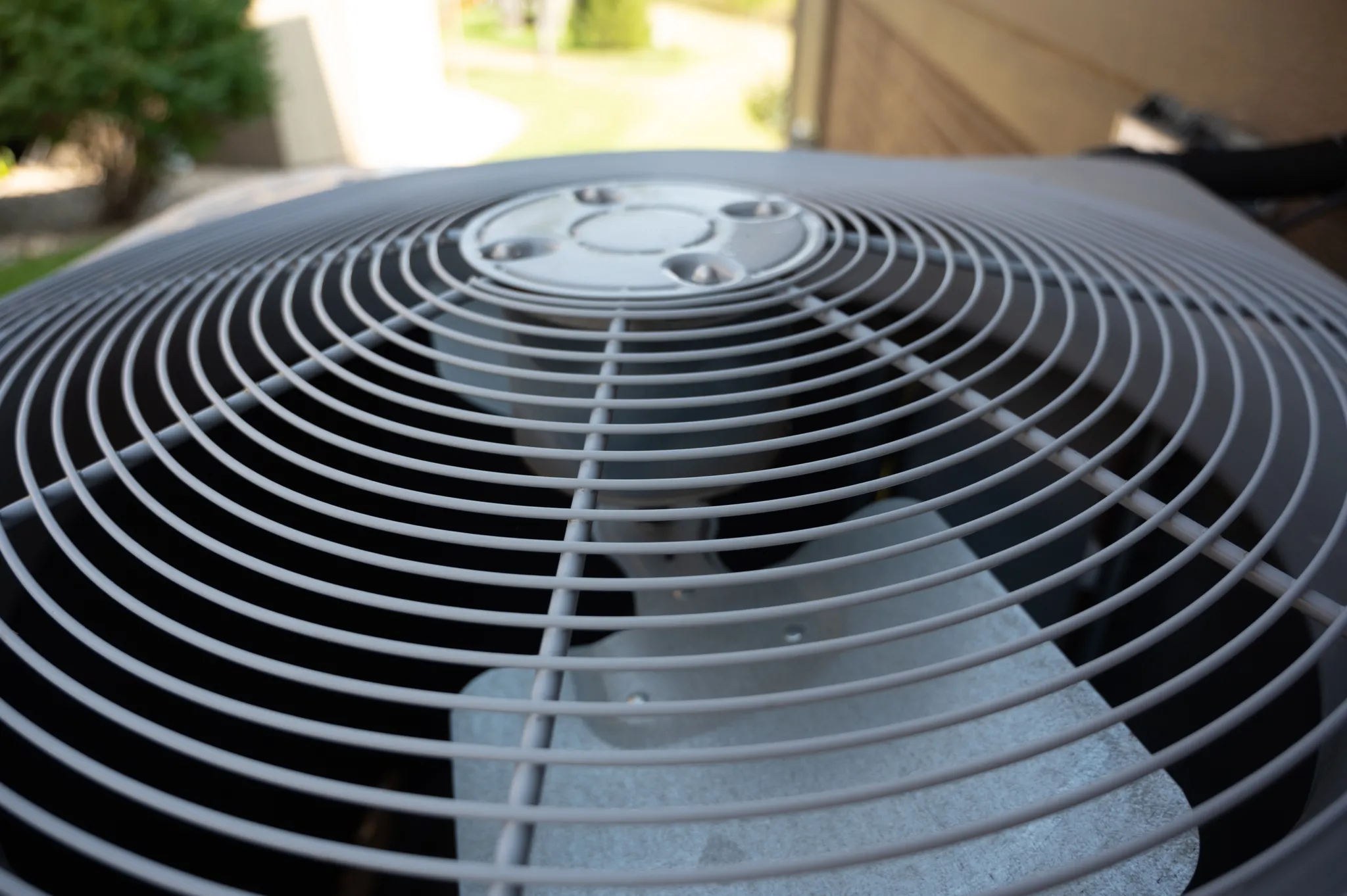
The thermostat’s set to 68, but your home feels like a greenhouse. The vents are quiet and the outdoor unit’s dead. If your air conditioning compressor is not turning on, you’re not just dealing with discomfort. You’re losing the part of your system that actually moves refrigerant and makes cold air happen. No compressor = no cool. And if it’s not addressed quickly, it can lead to major repairs.
Since 1944, we’ve helped homeowners across Tennessee, Alabama, Kentucky, and Georgia stay cool when the air conditioner is acting up. Let’s break down what causes this issue, what you can safely check, and when to call a professional A/C repair service.
What Does an A/C Compressor Actually Do?
If your air conditioner isn’t cooling, the compressor is one of the first things to check because it’s the part responsible for starting the entire cooling process. It pressurizes and circulates refrigerant through a closed-loop system that absorbs heat from inside your home and releases it outside.
Without that compression process, your refrigerant can’t shift between gas and liquid states, which means no heat is moved, and no cold air gets made.
Here’s how an A/C compressor works:
- The compressor takes in low-pressure refrigerant gas from your home’s indoor coil.
- It compresses that gas into a high-pressure, high-temperature vapor.
- That vapor flows to the condenser coil outside, where it releases heat and cools into a liquid.
- The liquid then travels back indoors, ready to absorb heat all over again.
If your A/C compressor is not turning on, none of this happens. The system can’t cycle refrigerant. The air might blow, but it certainly won’t cool.
And because the compressor is under constant high pressure and heat, it’s also the part most vulnerable to failure if something upstream goes wrong.
The Reason Your A/C Compressor Is Not Turning On
When your home A/C won’t start, the natural reaction is to panic. Is the unit fried? How much will an A/C replacement cost? Those questions trip up most homeowners because the compressor itself is rarely the villain.
In fact, 90% of compressor failures happen because something else in the system is already broken, and nobody noticed until the compressor waved the white flag. It’s a symptom. So, before you replace the most expensive part of your A/C, let’s get into what really causes your A/C unit to stop running outside.
Thermostat Issues
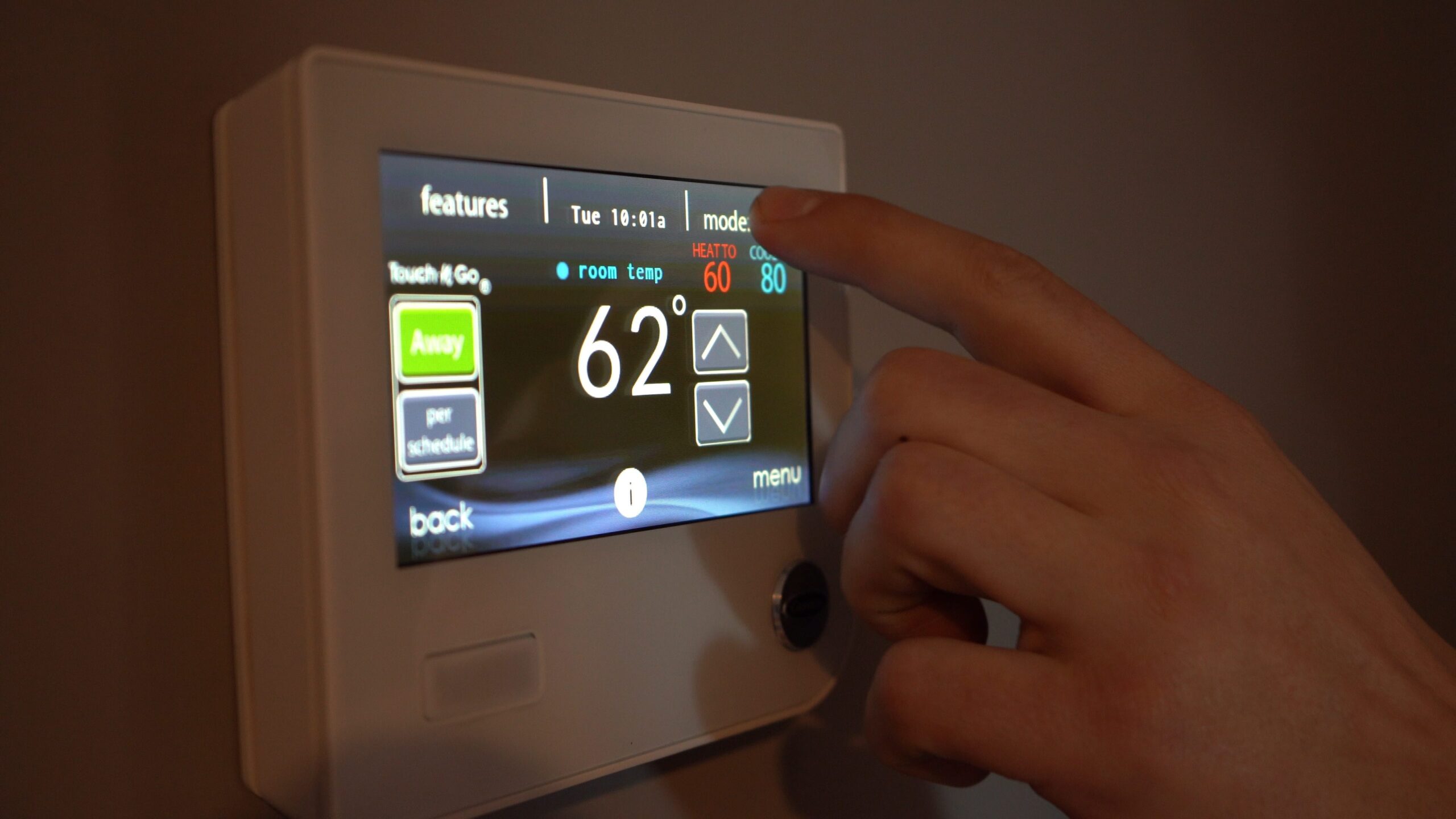
Think your thermostat is “set it and forget it”? Not so fast. If your A/C’s not cooling or the outdoor unit’s silent, your thermostat might be sending the wrong signals (or no signal at all).
Dead batteries, disconnected wires, old hardware, or settings accidentally flipped to “heat” can all throw your system off.
Ask yourself:
- Did someone change the settings recently?
- Is the thermostat display blank or unresponsive?
- Is the temperature set lower than the actual room temperature?
Sometimes, fixing your Heating, Ventilation, and Air Conditioning (HVAC) compressor problem is as simple as swapping batteries or reprogramming the settings.
Electrical Problems
Electricity is what powers your compressor, and it’s also where a ton of failures begin. Tripped breakers, blown fuses, or loose wires can instantly cut power to your outdoor unit. And in older Southeast homes with outdated panels or storm-prone areas, these interruptions happen more often than you’d think.
Walk over to your breaker box and check for any tripped or out-of-place switches. But don’t keep resetting it over and over. Repeated trips are a warning sign, not an invitation to play electrician.
Capacitor Failure
Your capacitor is the tiny, unglamorous part responsible for giving your compressor the jolt it needs to start. Without it, the compressor just hums or sits there doing nothing.
Capacitors wear out slowly, but when they fail, they fail completely.
Symptoms are buzzing sounds, a fan that starts then stops, or the air conditioner not cooling even though it’s running inside.
Capacitor failure is common in hot, humid regions where higher temperatures push components harder and faster.
Contactor or Relay Fault
The contactor is a switch that tells your compressor when to turn on. If it’s stuck open, corroded, or burned out, your A/C compressor won’t kick on even if the rest of the system seems fine.
These parts are small but mighty, and they take a beating in Southern climates where the A/C runs nearly non-stop for months. If your outdoor unit is totally silent (even when the inside’s working), the contactor might be the reason.
Overheating or Safety Lockouts
Your A/C is built to protect itself when something’s off. If airflow drops, coils overheat, or vents get blocked, your system will shut down certain components (like the compressor) to avoid bigger damage.
And the #1 trigger? Filthy air filters.
A clogged filter chokes off airflow, makes your system work harder, and can reduce energy efficiency by 5-15%, according to the U.S. Department of Energy.
The compressor senses the strain and shuts off to avoid burnout. In Southern homes with pets, pollen, and year-round use, cleaning or replacing dirty filters should be a priority.
Refrigerant Issues
Refrigerant is the lifeblood of your air conditioning system. If it’s low, leaking, or improperly charged, the compressor will either fail to start or get damaged trying.
In fact, 17% of HVAC failures come from refrigerant issues, and another 14% are linked directly to the compressor itself. It’s a tangled cause-and-effect relationship, and too many homeowners only catch it after the damage is done.
If you hear hissing, see ice on the lines, or notice weak airflow and rising indoor temperatures, call a professional HVAC company for help. Refrigerant is not a DIY zone, and a trained technician can diagnose the right problem when it counts.
Aging or Faulty Compressor
Yes, sometimes the compressor is the culprit. It’s a mechanical beast, and like all moving parts, it wears out over time, especially in the Southeast, where A/C units run harder and longer than in most of the country.
Symptoms of a failing compressor:
- Loud grinding or rattling sounds
- Tripped breakers every time it kicks on
- Outdoor unit humming with no fan movement
- Home A/C won’t start even after checking other components
If your system is 10-15 years old and hasn’t been serviced regularly, this might be the moment your compressor finally taps out.
Unfortunately, replacing a compressor isn’t cheap. Sometimes, it’s not even worth it if your system is already aging. That’s why catching these root causes early matters so much.
In the next section, we’ll walk through what you can check safely before you call in a professional. But if you’re already seeing signs of electrical issues, strange noises, or total shutdowns, it might be time to give us a call.
What to Do if Your A/C Compressor Isn’t Starting
The thermostat’s on, the fan’s blowing air, but your A/C still isn’t cooling, and the outdoor unit’s dead quiet. You’re sweating bullets and Googling “A/C compressor not turning on” while trying not to panic.
Before you assume the worst, there are a few quick checks you can try that don’t require tools, ladders, or a background in electrical engineering. These DIY moves won’t fix everything, but they just might save you a service call.
Check Your Thermostat Settings
Don’t overlook the obvious. Your thermostat is the brain of the operation, and if it’s not set right, the whole system stays offline.
Make sure:
- It’s set to “cool” mode, not “heat” or “off.”
- The set temperature is a few degrees below the actual room temperature.
- The display is working (replace batteries if needed).
- No one bumped the settings or changed the schedule.
If it’s blank, unresponsive, or has weird settings, fix those first. You’d be shocked how many HVAC calls come down to a toddler tapping buttons.
Inspect Your Breakers
Next stop: breaker box. If your A/C unit isn’t running outside, a tripped breaker might be the reason.
Flip the switch for your A/C unit all the way off, then back on. But don’t keep resetting it if it trips again. That’s your system asking for help, not for round two.
And just so you’re aware, around 70-90% of residential HVAC systems have at least one installation or maintenance fault (many of which don’t show up until the system is under pressure). So, if your breaker keeps flipping, it’s likely pointing to a deeper HVAC issue, not just a one-off surge.
Swap the Air Filter
When was the last time you changed your air filter? If you’re squinting while trying to remember, it’s probably overdue.
A clogged filter cuts off airflow, overheats your system, and can keep the compressor from turning on at all. This is especially true in the Southeast, where filters collect dust, pet hair, and pollen-like particles.
Changing the filter takes about five minutes and can save you hundreds (or thousands) of dollars while avoiding unnecessary strains on your system.
Let the System Cool Down
If your system overheated (especially during a long run on a hot day), it might’ve tripped a safety shutoff.
Turn the system off at the thermostat and give it 30-60 minutes to reset. Then try turning it back on. If the compressor kicks in, you just dodged a bullet. If not, keep reading.
Listen for Weird Sounds or Smells
Clicking when the system turns on? Buzzing but no airflow? A faint burning smell? Those are definitive warnings. Clicking could mean a faulty relay. Buzzing might signal a dead capacitor. Burning smells are electrical. Shut it down and call a professional immediately.
If you’ve checked the basics and your A/C unit is still not running outside, it’s time to bring in the backup.
Our team of licensed HVAC technicians are available 24/7, with no surprise emergency rates.
Preventive Tips to Avoid Compressor Failure in the Future
Fixing the problem once is great. But keeping it from happening again? That’s how you actually win the war. Let’s talk prevention because compressors aren’t cheap, and breakdowns never happen when it’s 72° and breezy.
Schedule Annual HVAC Inspections
Want to catch problems before they turn into “home A/C won’t start” moments? Regular inspections are your first line of defense.
A licensed technician can spot small electrical issues, low refrigerant, failing capacitors, or clogged coils before they wreck your compressor.
And in the Southeast, where air conditioning systems are running most of the year, wear and tear adds up fast. One cracked wire or low-pressure reading now could mean a blown unit by the end of summer.
Keep Your Outdoor Unit Clean
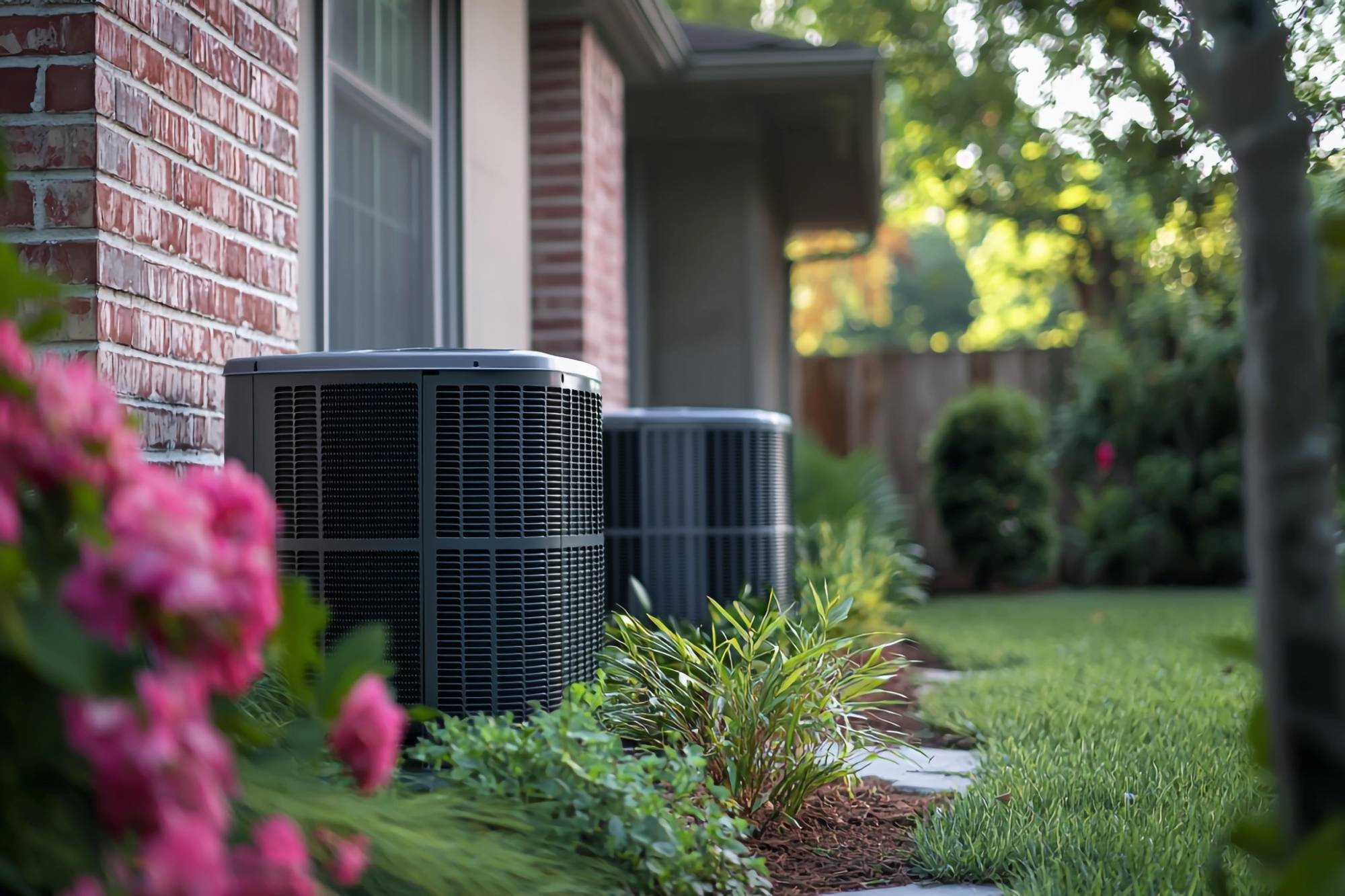
Dirt, grass clippings, mulch, and even trash can block airflow and trap heat, causing your outdoor unit to overheat and shut down. Keep at least two feet of clearance around the unit and gently hose off the fins once a season.
Replace Your Filters
This one’s been drilled down already, but we’re saying it again because it matters that much. Dirty filters don’t just reduce airflow. They trigger overheating, compressor shutdowns, and major system strain.
If you’ve got pets, pollen, or several people living under your roof, check it monthly. And yes, it’s normal in the Southeast to replace filters way more than the “every 3 months” rule says.
Upgrade If You’re Ready
Still limping a 15-year-old system along? You may be better off with an upgrade. ENERGY STAR-certified systems can reduce heating and cooling costs by 10-30% and offer advanced safety controls to protect key components like the compressor.
That’s not just savings. That’s reliability when it’s 98° outside and your family is coming over for the weekend.
Make A/C Care Easy with Lee Company+
If this all sounds like a lot to remember, you’re not wrong. That’s why we built Lee Company+. Our members receive annual air conditioning tune-ups, up to 20% off on every service visit, and zero emergency fees, so prevention is automatic, and surprise breakdowns don’t ruin your week.
Whether your A/C compressor is acting up or it’s time for a full system replacement, our experienced technicians are here to help. Don’t wait for the next heat wave, schedule your air conditioning inspection today!