Backflow prevention protects a commercial building’s drinking water when changes in pressure could pull contaminated water back into the potable supply. The main concern is any cross-connection where drinking water comes into contact with fire systems, irrigation, boilers, commercial equipment, or other non-potable sources.
This blog covers commercial backflow risks, testing, and compliance so you can better protect your water supply and avoid preventable problems.
Protect Potable Water at Cross-Connections
Backflow occurs when water flows opposite to its intended direction, allowing contaminated water to enter a clean water supply. A pressure change in the plumbing system can cause that reversal through backpressure or backsiphonage.
- Backpressure: Pressure inside the facility exceeds the supply pressure and pushes water backward.
- Backsiphonage: A drop in pressure pulls water back toward the potable system.
Commercial facilities often have more potential cross-connections because potable water serves equipment and systems beyond standard sinks and restrooms. Many of the common causes of backflow in commercial plumbing systems involve these connections and the pressure changes that allow water to reverse direction.
Each connection needs protection that matches the type of hazard involved. Our commercial plumbing team can perform cross-connection surveys to identify where potable water connects to other building systems and flag areas that may need backflow protection.
Watch High-Risk Connections
Cross-connections can appear throughout a commercial property. Some deserve particular attention:
- Fire suppression systems: Water can sit stagnant in fire lines and may contain rust, bacteria, or additives.
- Boilers and cooling towers: Treatment chemicals, corrosion inhibitors, and other additives can create a health hazard.
- Commercial kitchens: Dishwashers and chemical-mixing equipment can create cross-connections.
- Irrigation systems: Fertilizers, pesticides, bacteria, and soil can enter irrigation piping.
A broader commercial plumbing water-safety review can help identify other parts of the system that affect drinking water quality.
Our commercial plumbing team can also help identify where cross-connections exist and whether the protection in place matches the hazard, which is especially useful after equipment changes, renovations, or plumbing modifications.
Choose the Backflow Assembly for the Hazard
A backflow prevention assembly is a valve device installed at a cross-connection to keep contaminated water from flowing into the potable supply. Different assemblies are used because the level and type of risk can vary from one connection to another.
The approved device depends on the hazard, how pressure can change at that connection, and local code requirements. A boiler connection, for example, may need a different level of protection than an irrigation line.
| Assembly | Typical Application | Protection |
| Reduced Pressure Zone (RPZ) | Boilers, cooling towers, industrial processes, laboratories | High-hazard connections subject to backpressure or backsiphonage |
| Double Check Valve Assembly (DCVA) | Lower-hazard connections and some fire lines | Backpressure and backsiphonage where the potential contaminant presents a lower health hazard |
| Pressure Vacuum Breaker (PVB) | Irrigation and other approved applications | Backsiphonage only |
Testing and maintenance requirements vary by assembly type and jurisdiction, so facility managers should confirm local rules with the water authority.
Kentucky’s plumbing code shows how those requirements can differ by application. The code specifically identifies reduced-pressure assemblies for high-hazard cross-connections such as commercial boilers, cooling towers, hospital equipment, and processing tanks.
If an existing assembly needs to be replaced or a new one is required, our certified technicians can help determine which approved device fits the connection and install it to meet local requirements.
Keep Backflow Testing and Certification Current
Backflow testing checks whether an assembly will still stop water from flowing in the wrong direction. Internal valves can wear down or collect debris over time, so an assembly may fail even when there are no obvious signs of a problem.
Testing also keeps the required certification on file with the local water provider. If an assembly fails, the facility can address the problem and complete a retest before the deadline.
Backflow Requirements Across the Southeast
Requirements differ across the Southeast, and local water providers may add their own rules. Here is how the states we serve handle backflow protection and testing:
- Tennessee: The Tennessee Department of Environment and Conservation (TDEC) says required assemblies should be tested when installed and at least annually afterward. Testing should be performed by the water provider or someone approved by the provider. TDEC also issues certificates of competency for backflow assembly testers.
- Georgia: Under the Georgia Environmental Protection Division (EPD) Rules for Safe Drinking Water, required assemblies must be tested after installation, repair, or relocation and at least once a year after that. An approved certified tester must complete required field testing.
- Alabama: The Alabama Department of Environmental Management (ADEM) requires community water systems to maintain a written cross-connection control policy and inspection program. A suitable backflow preventer is also required on new water service connections and replaced customer service connections. Water service can be denied or discontinued if a required device is not installed or properly maintained. The local water supplier may set testing schedules.
- Kentucky: The Kentucky Plumbing Code, 815 KAR 20:120, requires backflow preventers to be inspected periodically. Reduced-pressure principle assemblies must be tested at least once a year and are used for higher-hazard connections, including commercial boilers and cooling towers.
Davidson County, which includes Nashville, Tennessee, provides a good example of how local requirements add another layer. Metro Water Services requires every backflow device in its program to be inspected annually and gives customers a correction timeline when an assembly fails, based on the level of hazard.
Our team estimates there are approximately 25,000 backflow assemblies in Davidson County and another 12,000 in neighboring Williamson County, Tennessee, that require testing and certification. That volume shows how common annual backflow compliance is for commercial facilities across the Nashville area.
For facilities with several locations or annual compliance requirements, we can handle the annual test, make repairs if the assembly fails, and complete the certification process before missed deadlines become a compliance issue.
Repair Failed Backflow Assemblies Before Certification
A failed backflow test means the assembly did not meet the required performance standard during testing and needs corrective work before it can be certified. Debris, scale, worn seals, damaged check components, or problems with a relief valve can prevent the assembly from holding the required pressure. Depending on the condition of the assembly, the solution may involve cleaning, rebuilding, replacing components, or replacing the unit.
Our commercial backflow work gives us a useful benchmark:
- About 90% pass the initial test
- About 10% fail and require a rebuild to pass certification
What Happens During a Backflow Test
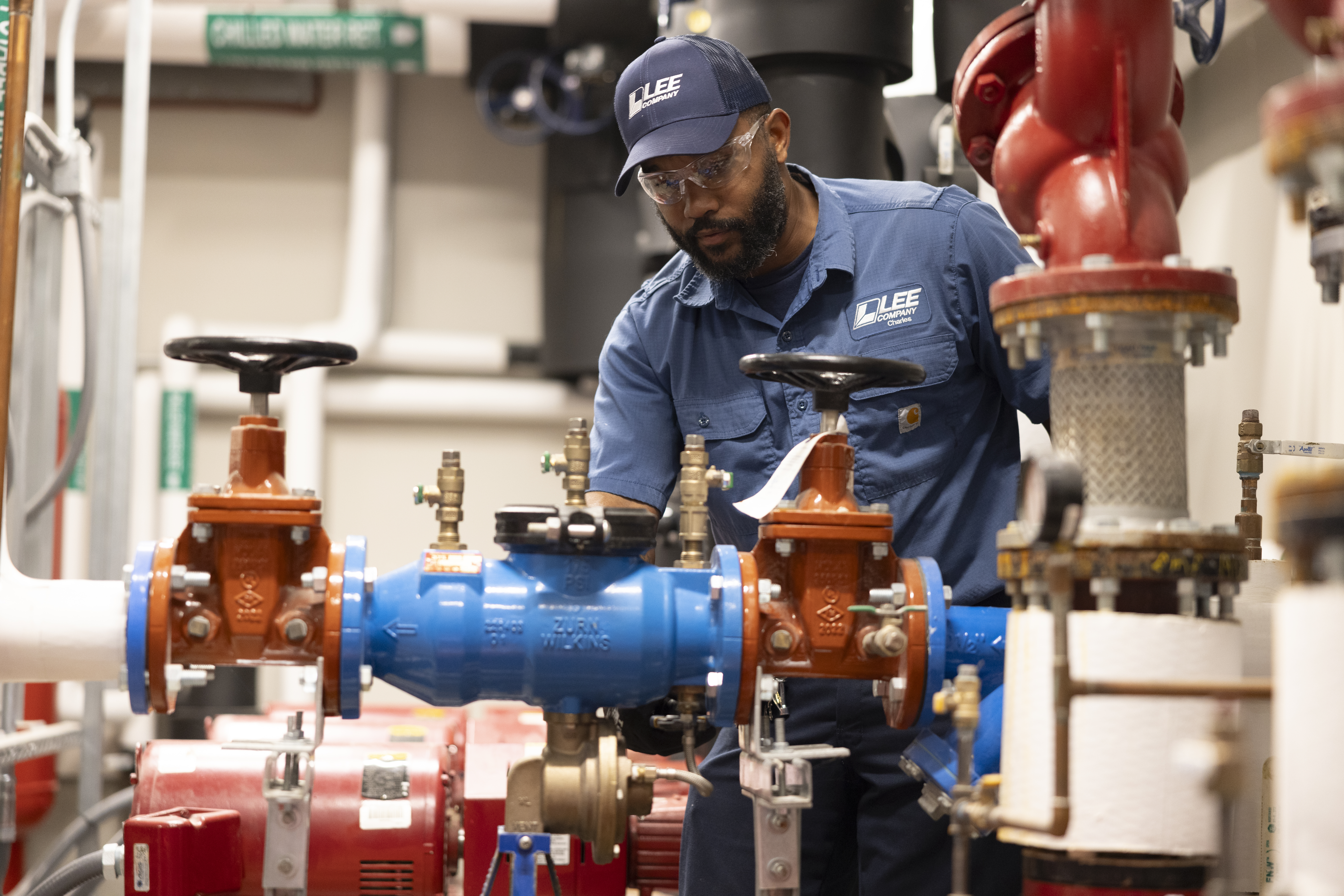
A certified tester uses a calibrated differential-pressure gauge to check the assembly under controlled conditions. The exact procedure depends on the type of device.
If the assembly fails, the technician can determine which component is not holding properly, make the appropriate repair, and retest the device.
One of our certified backflow technicians put it this way:
“A lot of failures come down to something inside the assembly not sealing right. Could be debris or scale. Sometimes parts are just worn out. The backflow test tells us where to start looking.”
Our backflow team currently includes six certified technicians with an average of 12 years of experience. That experience matters when an assembly fails because the same technician can diagnose the problem, make the needed repair or rebuild, and retest the device so the facility can move toward certification without starting the process over with another provider.
Include Backflow Prevention in Routine Plumbing Maintenance
Backflow prevention works best as part of the facility’s regular plumbing maintenance schedule. Annual certification covers the assembly at a specific point in time, while routine plumbing inspections can uncover changes elsewhere in the system that may create new cross-connections or put additional stress on existing protection.
Renovations, new equipment, irrigation changes, and altered water demands are all good reasons to review the facility’s backflow protection.
A routine plumbing inspection may uncover changes that affect backflow protection, such as:
- New equipment connected to potable water
- Changes in water pressure
- Corrosion or leaking valves
- An aging backflow assembly
- Plumbing modifications that were never added to maintenance records
If the facility has other recurring plumbing issues, review the signs that commercial plumbing may need a check-up and incorporate backflow devices into your broader drainage and plumbing maintenance schedule.
Facilities with several inspection requirements can also consolidate compliance work to reduce separate service visits and make annual requirements easier to manage.
Because our commercial plumbing team can handle backflow testing along with broader plumbing maintenance, facility managers can address certification needs while also keeping an eye on the piping, valves, fixtures, and system changes that may affect backflow risk later.
Keep Your Backflow Testing on Schedule
Backflow prevention protects your building’s drinking water and helps keep required certifications current. The safest approach is to know where your assemblies are located, which hazards they protect against, and when each device is due for testing.
We’ve been serving businesses since 1944, and our certified backflow technicians work with commercial facilities across the Southeast. That gives facility managers one team to call for scheduled testing, failed-device repairs, rebuilds, and certification support.
Schedule commercial backflow prevention testing with us to keep your assemblies tested, working properly, and ready for the next certification deadline.
Frequently Asked Questions
What is a backflow preventer?
A backflow preventer keeps water from reversing direction into the potable water supply. Different assemblies are used depending on the type and level of cross-connection hazard.
What is backflow testing?
Backflow testing checks whether a testable assembly can maintain the pressure differences and valve operation required to prevent reverse flow. A certified tester uses a calibrated gauge to measure how the valves are performing and determines whether the device passes or needs repair.
How can you prevent backflow in commercial pipes?
Identify cross-connections and install the approved protection for each hazard (such as fire suppression systems, boilers, cooling towers, commercial kitchens, or irrigation). Keep testable assemblies on the required certification schedule and review the system when plumbing or connected equipment changes.
What are Tennessee backflow testing requirements?
In Tennessee, required backflow assemblies should be tested when installed and at least once a year after that. Testing should be done by the water provider or someone the provider approves, and local utilities may set additional requirements. Facility managers can check the TDEC Cross-Connection Control program for current testing guidance, approved procedures, and certified tester information.
What happens if a commercial backflow preventer fails its test?
A failed assembly has to be corrected before it can pass certification. That may mean cleaning, rebuilding, or replacing parts, followed by another test. Local rules determine how quickly the repair has to be completed.