To reset a garage door sensor, clear anything blocking the sensors, clean the lenses, and make sure both photo eyes are lined up. If the door still won’t close, reset the opener by disconnecting power for about a minute, then test it again.
Garage door sensors keep the door from closing when something is in the way. When the sensors stop working properly, the garage door may reverse or refuse to close.
We’ll show you how to troubleshoot the sensors and when to call a professional for help.
Clear the Sensor Path
Remove anything sitting between the two sensors. Look closely near the floor for leaves or small objects that may be easy to miss.
Storage items can also shift into the beam without looking like an obvious obstruction.
Once the path is clear, test the door again.
Clean the Sensor Lenses
Gently wipe each sensor lens with a clean, soft cloth. Dust and cobwebs are enough to block the beam even when the doorway itself is clear.
If you see condensation or frost on the lens, dry it completely before testing the door.
One of our garage door technicians describes this as an easy first check:
“Sometimes the sensor is working exactly like it should. It just can’t see through whatever is on the lens.”
If the door starts working again after cleaning, there’s no need to keep troubleshooting.
Realign the Sensors
Garage door sensors need to point directly at each other. A sensor can shift after being bumped by something moving through the garage, such as a car, person, or equipment being moved in and out.
Loosen the mounting bracket slightly and adjust the sensor while watching its indicator light. When the light becomes steady, tighten the bracket carefully so the sensor stays in place.
If the sensors appear to sit at different heights, a string can help you compare their position.
Our garage door services include safety sensor testing and adjustment if the sensors won’t stay aligned.
Check for Outdoor Conditions
Sunlight, moisture, and cold weather can sometimes interfere with garage door sensors. If the problem comes and goes, pay attention to the weather and time of day when it happens.
Direct sunlight can interfere with the receiving sensor. If the door refuses to close only during bright morning or afternoon sun, check whether sunlight is hitting one photo eye directly.
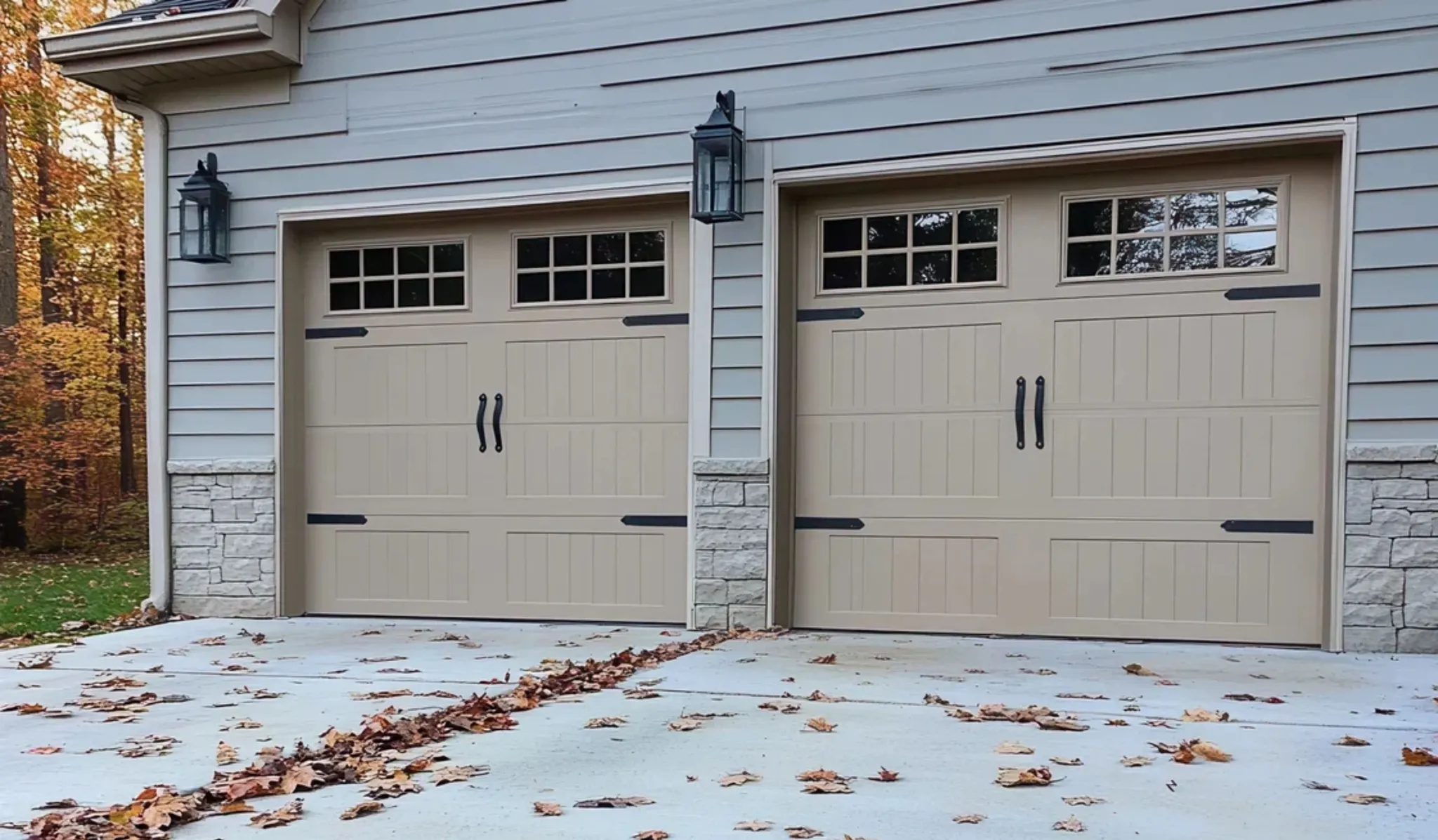
Moisture or frost can also interfere with the sensor area. We find that sensor problems increase during fall and winter, when frost and debris are more common around the bottom of the garage door. If the garage itself gets especially cold, garage door insulation can help keep the temperature inside more stable.
Tell your technician when the problem usually happens so we can help you track down the cause faster.
Reset Power to the Opener
If the sensors are clean and aligned but the door still won’t close, power-cycle the opener by disconnecting it from power for about one minute. Restore power and test the door again.
Power-cycling can clear an electronic fault, but it won’t fix damaged wiring or a failed sensor.
Some wall controls also have a lock or vacation setting. Check your opener manual if the remote has stopped working while the wall control still operates normally.
If the sensor lights look normal after the reset and the door still will not close, our technicians can test the opener itself.
Garage Door Sensor Indicator Lights
The indicator lights on your garage door sensors can help narrow down the problem before you start making adjustments. A steady light means the sensor has power and is aligned, while a blinking or dark light can point to an obstruction or another sensor issue.
The exact colors and blink patterns vary by manufacturer, so check your opener manual before using the light color alone to diagnose the problem.
Common garage door sensor light patterns include:
- Blinking light: The sensor may be out of alignment, or the beam may be blocked.
- One light is off: The sensor may have lost power or have a wiring problem.
- Both lights are off: The opener or sensor circuit may not be receiving power.
- Flashing light: Some openers use flashing lights to report a sensor fault.
If the light pattern doesn’t point to an obvious fix, our technicians can check whether the sensors are communicating properly with the opener.
Common Garage Door Sensor Problems
Garage door sensors usually stop working when something interrupts the safety beam or prevents the sensors from communicating with the opener.
| Garage Door Sensor Problem | Common Cause | What You May Notice |
| Dirty or blocked sensor | Dust, cobwebs, leaves, or stored items block the beam. | The door starts to close and reverses. |
| Misaligned sensors | A sensor gets bumped or shifts out of position. | One indicator light may blink or go out. |
| Wiring problem | A wire becomes loose, pinched, or damaged. | A sensor may lose power or work intermittently. |
| Sunlight interference | Direct sunlight hits the receiving sensor. | The door may refuse to close at certain times of day. |
| Moisture or frost | Condensation or frost covers the lens or affects the connection. | The sensor may work inconsistently, especially in cold weather. |
| Failed sensor | The sensor itself stops working. | The indicator light stays off even after you check power and alignment. |
If the problem continues after you clear the sensor area, our garage door technicians can check whether the sensors are misaligned, losing power, or failing.
Garage Door Sensor Wiring Problems
Damaged or loose wiring can cause a sensor to lose power or work only intermittently. Wiring becomes a stronger possibility when one sensor stays dark after cleaning and alignment.
Look at the visible low-voltage wires leading from each sensor. A wire may have pulled loose near the sensor or opener, and staples can sometimes pinch the insulation.
Signs of a garage door sensor wiring problem include:
- Frayed or cracked wire insulation
- A loose connection at the sensor
- A sensor light that cuts in and out when the wire moves
As one of our technicians puts it:
“If the sensor light flickers when I move the wire, I’m checking the connection first. That can save you from replacing a sensor that’s still good.”
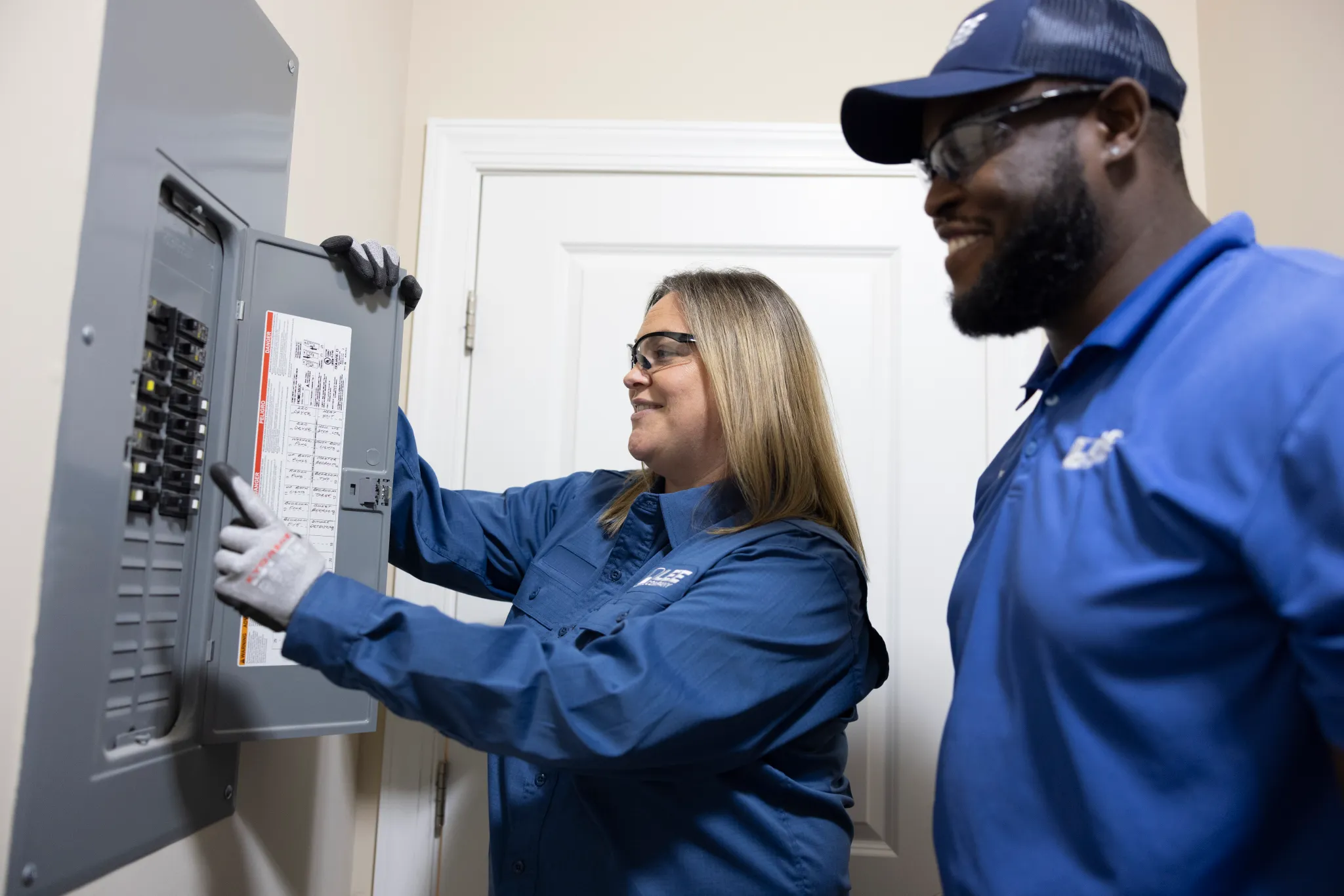
If you find broken or exposed wires, stop there and call a licensed electrician. For electrical or mechanical problems inside the opener, you’ll need a garage door technician.
Our technicians can test the sensor circuit and determine whether the wiring or sensor needs repair.
Replacing a Garage Door Sensor or Opener
A failed garage door sensor can usually be confirmed during the service visit by testing the power and wiring. Once we know the sensor itself is bad, replacement is usually a pretty quick job.
In many cases, we can replace the sensor and have the door working again during that same visit, often within a couple of hours. That means you may not have to rearrange your whole day or leave the garage open overnight while you wait for another appointment!
If the opener is older and keeps having problems, we can also check whether repairing it still makes sense. Replacing a failed sensor is a repair. Replacing an otherwise working opener for added features would be an upgrade.
For a door that won’t close at the end of the day, we offer 24/7 garage door service to help get your garage secured again.
Why Garage Door Safety Sensors Are Important
Garage door safety sensors help keep the door from closing when a person or object is in its path. The two photo eyes send an invisible beam across the bottom of the doorway, and interrupting that beam tells the opener to stop or reverse.
Federal safety standards require photoelectric sensors to include a visible indicator, usually a small light, that shows whether the sensors are aligned and operating properly. Never cover, remove, or bypass the sensors to force the garage door closed.
After making any sensor adjustment or repair, test the garage door’s safety reverse according to the opener manufacturer’s instructions.
If the safety system is preventing normal operation and the basic troubleshooting below doesn’t fix it, our technicians can test the sensors safely.
When to Schedule Garage Door Repair
Professional garage door service is the next step when cleaning, alignment, and a power reset do not get the door working normally. You should also stop troubleshooting if the sensors won’t stay powered or you find damaged wiring.
A sensor problem might not be the only reason your garage door won’t close. Bent tracks or a damaged spring can also affect how the door moves.
Avoid DIY repairs if you see a broken spring or damaged cable. Those parts operate under high tension and should be handled by a garage door technician.
If you’re comparing companies, look for a garage door repair company that explains the problem clearly and gives you repair options before work begins.
Get Garage Door Help From Us
Our garage door repair services include sensor alignment and opener repair, along with other garage door repairs. We can test the system, explain what failed, and help you decide what to repair or replace.
If you’ve already worked through the basic checks, we’re happy to take it from here!
Garage Door Sensor FAQs
Why is my garage door sensor blinking?
A blinking light usually means the sensors can’t see each other clearly. Check for anything blocking the beam, then make sure both sensors are lined up.
How do I know if my garage door sensor is bad?
A bad sensor may stay dark even when it has power and is lined up correctly. We’d test the wiring first so you don’t replace a sensor that still works.
How do I align garage door sensors?
Loosen the bracket just enough to move the sensor, then adjust it until the light stays steady. Tighten the bracket carefully so it doesn’t shift again.
Can cold weather affect garage door sensors?
Yes. Our sensor-related calls increase during fall and winter, when frost and debris can interfere with the sensors near the garage floor.
Can I bypass a garage door sensor?
No. Garage door safety sensors help prevent the door from closing when something is in its path and should remain operational. If the door will not close after troubleshooting, schedule a professional repair.