A pilot light usually will not stay lit because the flame is dirty, weak, disrupted by airflow, or unable to heat the safety sensor that keeps gas flowing. That can happen on an older gas furnace, water heater, or space heater.
You may be able to handle a few simple checks, but gas parts, gas pressure, and venting need a qualified technician. Below, we’ll walk through the common causes and the safest next step for each one.
A Standing Pilot Depends on a Steady Flame
A standing pilot stays on so an older gas appliance can light the main burner when it needs heat. Newer equipment often uses electronic ignition, which lights only when the appliance needs to run.
Older standing pilot systems rely on:
- A small flame
- A safety sensor
- A gas valve
- Proper venting
If one of those pieces is dirty, worn, blocked, or affected by airflow, the pilot may not stay lit.
In our own service records, pilot-light issues show up more often on water heaters than furnaces:
- Water heaters: About 15% of 6,000 service calls were tagged as pilot-light issues.
- Furnaces: About 4% of 8,000 service calls were tagged as pilot-light issues.
For homeowners, that means a water heater pilot problem is a fairly common reason to wake up without hot water. Furnace pilot issues show up less often in our records, but they still need careful troubleshooting because they involve heat, gas, and safe operation.
That’s why our heating and plumbing technicians look at the whole appliance, not just the flame.
A Gas Smell or Repeated Outage Needs Immediate Attention
Leave the area and call your gas utility or 911 from a safe location if you suspect a gas leak.
Stop troubleshooting if you notice:
- A rotten egg or sulfur-like gas smell
- A hissing sound near the appliance or gas line
- Soot or scorch marks near the burner area
- A yellow, floating, or irregular flame
- Repeated pilot outages after relighting
- Headache, dizziness, nausea, or confusion
If the pilot keeps going out, take it seriously because gas appliances can create carbon monoxide when fuel doesn’t burn correctly, or venting fails.
One of our heating technicians puts it this way:
“If the pilot lights while you’re holding the button, then dies right away, don’t keep fighting it all night. That tells us the safety side of the appliance needs to be checked. It could be a small part, or it could be something else that needs testing.”
Carbon monoxide, or CO, is a colorless, odorless gas that can come from fuel-burning appliances. A working CO alarm near sleeping areas is important in any home with gas appliances.
We provide 24/7 emergency service for heating, plumbing, and other home repair needs that can’t wait. If something feels off, it’s always okay to call and have it checked!
The Pilot May Need to Be Relit Correctly
A pilot light might not stay lit if you rush the relighting steps or don’t follow the appliance instructions. If there is no gas smell and the directions are clear, follow the steps printed on the furnace, water heater, or space heater.
Before relighting:
- Read the instructions on the appliance.
- Check for any gas smell.
- Make sure the area is clear.
- Wait the amount of time listed in the instructions.
- Keep your face and body away from the burner opening.
- Stop if the pilot won’t stay lit.
If the pilot keeps going out after you relight it, the issue is more likely tied to the thermocouple, gas valve, burner area, or venting.
If the heating system is the issue, we can check why the pilot keeps going out and help you decide whether a repair or replacement makes more sense. We service gas furnaces, electric heat pumps, and hybrid systems, so you won’t be left guessing what the system needs next.
A Dirty Pilot Opening Can Weaken the Flame
The pilot opening, also called the pilot orifice, is the tiny place where gas comes out to feed the flame. When that opening gets restricted, the flame may not be strong enough to reach the sensor that keeps the gas valve open.
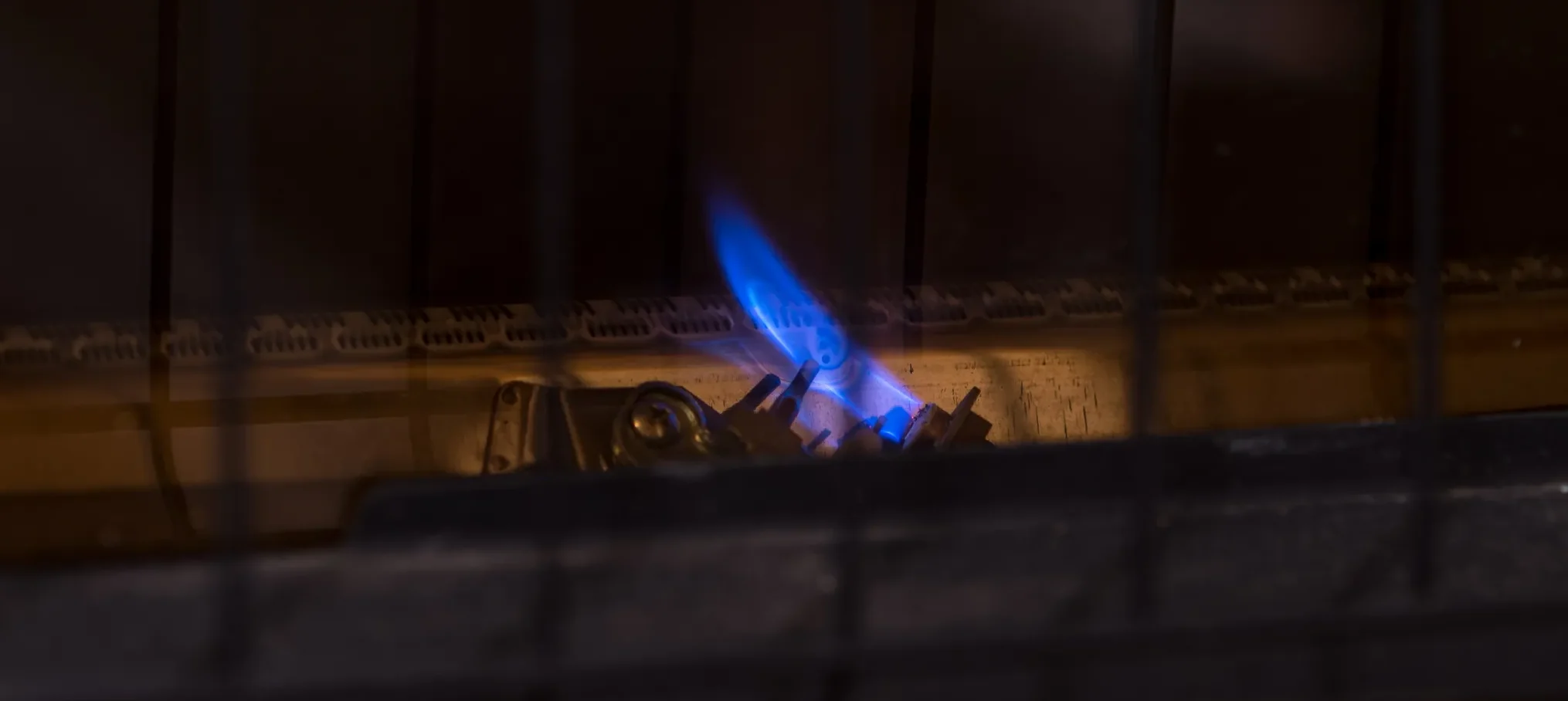
Dust, lint, and rust flakes can all interfere with that small flame. A healthy pilot flame is usually steady and blue. A restricted flame may look small, yellow, or uneven.
Possible signs of a restricted pilot include:
- The pilot flame looks small.
- The flame pulls away from the sensor.
- The flame burns yellow instead of blue.
- The pilot lights, then goes out again.
- Dust, lint, or rust is visible near the burner area.
You can look at the flame from a safe distance if the appliance allows it. Avoid taking apart burners, poking the pilot opening, or cleaning gas parts yourself.
During a heating inspection, our technicians can check the pilot flame, burner area, and visible wear without taking shortcuts around sealed gas components.
A Failing Thermocouple Can Shut Off the Gas
The thermocouple is a safety part that senses heat from the pilot flame. If it is worn, dirty, loose, or not sitting in the flame correctly, the gas valve may shut off the pilot as soon as you release the button.
You may have a thermocouple issue if:
- The pilot stays lit only while you hold the button.
- The flame goes out right after you release the button.
- The pilot flame looks steady, but still shuts off.
A gas valve issue can look like a failing thermocouple, which is why it helps to have a professional check the appliance before replacing parts. We can inspect both before you spend time or money on the wrong fix.
Drafts or Blocked Venting Can Disrupt the Flame
A pilot flame can go out if nearby airflow blows across the burner area or if the appliance cannot get enough air to burn fuel properly. Venting problems also need attention because gas appliances must move combustion gases safely out of the home.
Possible airflow or venting issues include:
- Bird nests or debris in a vent
- A vent pipe that has shifted
- A nearby exhaust fan pulling air away
- Poor combustion air in a tight mechanical room
- Drafts from a door, window, crawl space, or garage
Look for obvious clutter around the appliance, but leave vent testing, pressure checks, and combustion checks to a qualified technician.
These issues can be more noticeable during colder months, when the system runs more often, and small airflow problems can turn into heating problems during the winter. Our heating and plumbing teams can inspect the appliance and venting path, then explain what needs to happen next.
Gas Supply Problems Can Starve the Pilot Flame
A pilot light can go out when the appliance is not getting a steady flow of gas.
Possible gas supply issues include:
- A gas shutoff valve that is not fully open
- A low propane tank
- A propane regulator issue
- Recent utility work
- An appliance control problem
Do not adjust gas pressure yourself. Gas pressure needs to be measured with the right tools, and the correct pressure depends on the appliance and fuel type.
If more than one gas appliance is acting strange, call your gas utility or propane provider. If the issue is isolated to your furnace or water heater, we can check the appliance and related gas components.
For water heater issues, our plumbing team can also make sure the pilot problem isn’t connected to a larger plumbing issue.
A Worn Gas Valve Can Mimic a Bad Thermocouple
A worn gas valve can keep the pilot from staying lit, even if the thermocouple seems to be doing its job. The flame may light, look steady, and still shut down.
When we service older water heaters or furnaces, we check the gas valve along with the thermocouple so you don’t replace the wrong part. If the repair is more involved, we can help you compare it against the appliance’s age and condition.
Appliance Age Can Make Replacement Worth Considering
A pilot-light issue does not automatically mean you need a new appliance. Replacement makes sense when the appliance is older, inefficient, leaking, rusting, or repeatedly failing.
ENERGY STAR suggests considering replacement when a furnace or boiler is more than 15 years old. For water heaters, ENERGY STAR recommends planning replacement once the unit is 10 years old or older, before an emergency failure. ENERGY STAR
When we assess an older appliance, we check:
- Appliance age
- Burner condition
- Venting condition
- Repair history
- Parts availability
- Visible rust, leaks, or overheating
- Energy use
- Fit for your home’s current needs
Many newer systems use electronic ignition instead of a standing pilot so that replacement can remove pilot-light headaches from the equation.
If repair is still the right call, we can handle the work. If replacement is the better option, we can walk you through heating or water heater choices that offer better efficiency, performance, or capacity.
Maintenance Can Catch Pilot Problems Early
Maintenance gives a technician a chance to check the pilot flame, burner area, venting, and visible wear before heavy heating season. It won’t prevent every breakdown, but it can help find issues before they leave you without heat or hot water.
Our Lee Company+ membership currently includes annual heating, A/C, plumbing, and electrical inspections. If you have an older gas furnace or water heater with a standing pilot, we can pay extra attention to that part of the appliance during the visit.
We’ve been helping homeowners since 1944, and we’re happy to help you get ahead of a pilot-light problem before heating season or another busy stretch. If it’s been a while since you had your furnace or water heater checked, scheduling an inspection is an easy next step.
Pilot Light FAQs
Why does my pilot light go out when I release the button?
The flame may not be heating the thermocouple long enough for the gas valve to stay open. If the pilot goes out as soon as you release the button, the flame, thermocouple, or gas valve needs to be inspected.
What does a bad thermocouple look like?
A bad thermocouple is not always obvious by sight. A classic symptom is a pilot that burns while you hold the button down, then goes out as soon as you release it.
Is a yellow pilot light dangerous?
A yellow pilot flame can point to poor combustion, dirt, or an air-to-fuel problem. Turn the appliance off if the manufacturer’s instructions tell you to, and schedule service because gas combustion issues should be checked carefully.
Why does my water heater pilot light keep going out?
A water heater pilot may keep going out because of a dirty pilot opening, a failing thermocouple, a draft near the burner, a gas supply issue, or a worn gas valve. In our service records, about 15% of water heater service calls were pilot-light issues.
Can I replace a thermocouple myself?
A thermocouple may look like a small part, but it is tied to the appliance’s gas safety system. If you are not trained to work on gas appliances, schedule professional service instead of taking apart the burner or gas controls.