Noisy ductwork usually happens when airflow pressure builds inside your home’s HVAC duct system or when duct connections loosen over time.
A few startup pops from ductwork expansion and contraction are normal, but constant noise isn’t.
Persistent rattling or loud bangs usually mean something’s loose, blocked, or leaking.
This guide covers what causes each sound, what you can check yourself, and when to bring in our team.
1. Dirty Air Filters
A clogged filter prevents air from entering your system easily. Your blower keeps working, but the air can’t escape, which creates pressure in the ducts.
If this is the issue, you’ll usually hear whistling or a rushing sound near the vents.
2. Closed or Blocked Vents
Furniture sometimes blocks vents, or homeowners close them in spare bedrooms, thinking the air will just redirect.
Pushing all the air through fewer vents raises pressure inside the ducts, leading to whistling, popping, or vibration.
3. Undersized Ductwork
Older homes sometimes have ducts built for equipment that’s smaller than what’s installed now. When newer HVAC equipment pushes more air than older ductwork was designed to handle, airflow velocity increases.
That higher speed in narrow ducts often produces pressure changes that create noticeable noise.
4. Loose Duct Connections
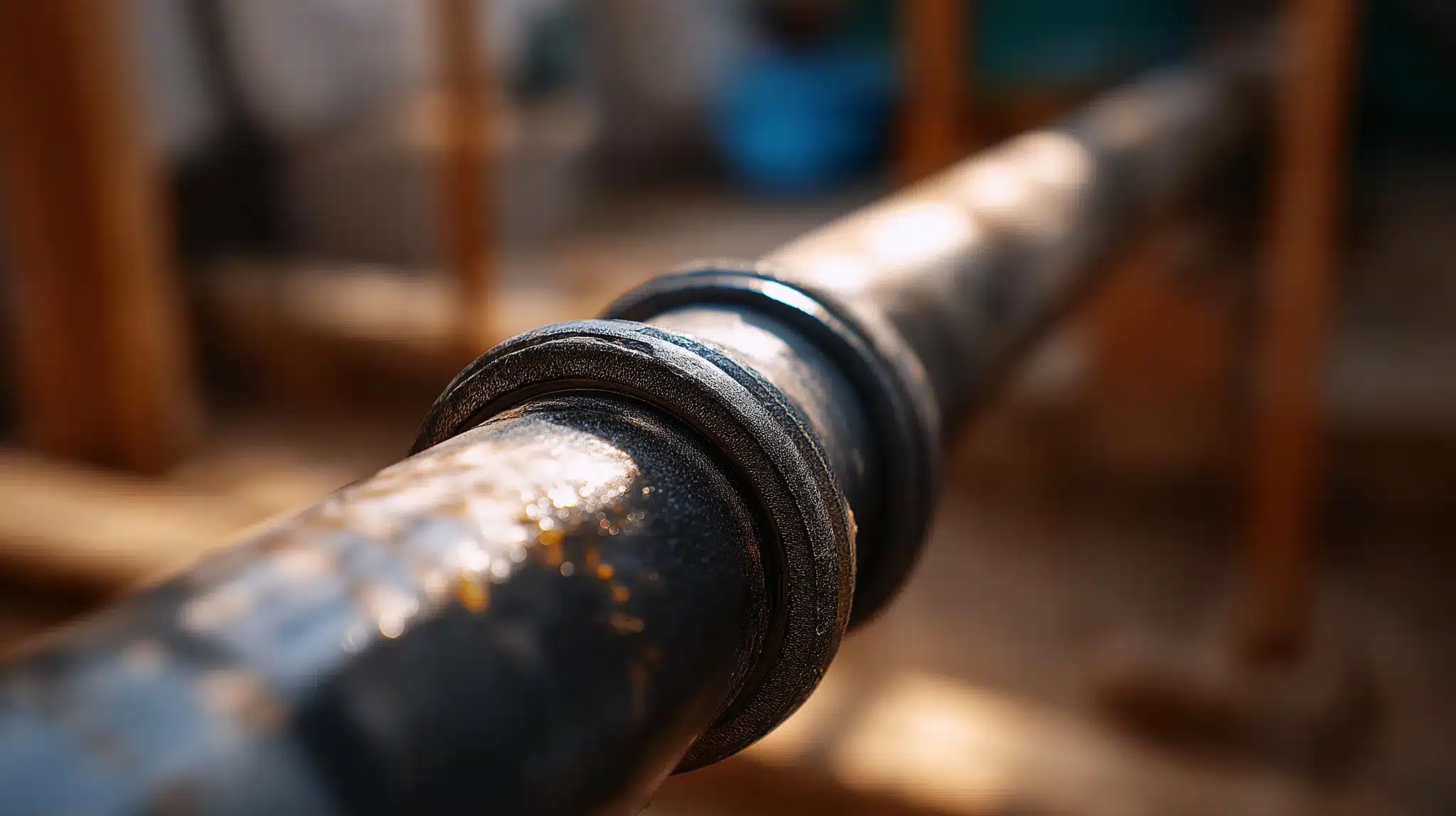
Joints, hangers, and registers loosen over time as your system runs. Airflow then causes those parts to vibrate against studs or other metal.
If you have loose connections, you’ll usually hear rattling or buzzing.
5. Duct Leaks
Air can leak out through gaps where duct sections connect. Those leaks whistle or hiss as air escapes under pressure.
Leaks also waste energy by dumping heated or cooled air into spaces you’re not trying to condition.
Duct leaks can account for up to 30% of total airflow loss, which translates to wasted energy and difficulty maintaining consistent temperatures throughout your home.
6. Poorly Supported Ductwork
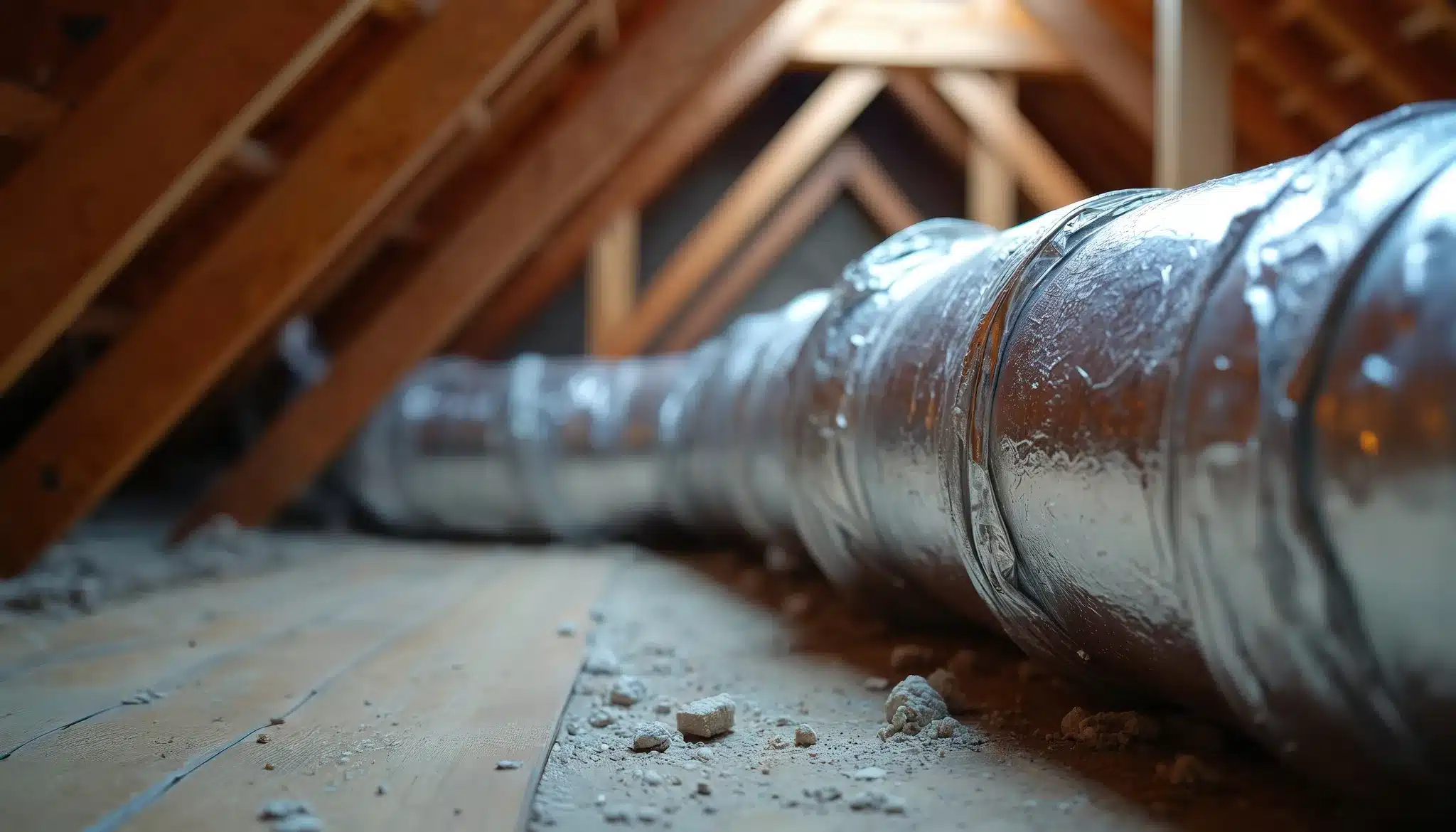
Some homes use flexible ducts (the accordion-style tubing) in attics and crawl spaces because they’re easier to route around obstacles. Those ducts need solid support to keep from sagging.
When those supports fail or sag, the duct shifts around under air pressure.
Sagging sections sometimes vibrate or make a flapping sound while your heater or A/C runs.
7. HVAC Blower Strain or Equipment Issues
Sometimes the noise starts at your furnace or air handler, then just echoes through the ductwork. A blower motor working hard enough can hum or vibrate all the way to your vents.
Noise is the main complaint on about 10% of our heating and A/C calls.
When we show up to investigate, we’re typically looking at blocked airflow, something that’s worked loose, or pressure that’s built up unevenly as the system’s aged.
How We Diagnose Noisy Ductwork During a Service Call
When a homeowner calls us about noisy ducts, we treat it as an airflow problem until proven otherwise.
Our technicians inspect the entire system to see how air is moving through the home, including:
- The air filter
- Airflow pressure inside the system
- Duct runs and connections
- How the furnace or A/C blower is pushing air through the house
That process shows us whether the noise is coming from a loose connection, a duct leak, an airflow restriction, or equipment strain, so that any repair we recommend actually solves the problem rather than just masking the sound.
What Different Noisy Duct Sounds Usually Mean
Each sound your ducts make tends to point toward a specific issue. The type of noise, its location, and when it occurs can help you figure out what’s happening.
| Sound | What It Means | Where It Starts | What to Check |
| Pop or bang | Duct expansion from pressure or temperature changes | Main trunk ducts in walls or ceilings | Air filter and number of open vents |
| Whistle | Air being forced through a tight opening or leak | Supply vents or duct joints | Replace filter, check vent openings |
| Rattle | A loose register, screw, or duct section vibrating | Vent covers or nearby duct runs | Tighten vent screws or register frame |
| Humming | Blower motor strain or airflow imbalance | Furnace or air handler | Check filter and airflow at vents |
| Flapping or scratching | Debris in ductwork or a loose duct liner | Flexible ducts in attic or crawlspace | Inspect vent openings for debris |
Where the sound comes from often tells you as much as what it sounds like.
If you hear whistling right at a vent, airflow is probably restricted there. Humming that reaches several vents usually originates at the blower. Rattling in a wall or ceiling typically means something’s loose, like a connection or support.
In some homes, debris or dust buildup in the ducts can restrict airflow, potentially requiring professional duct cleaning.
Timing matters too:
- Does it happen when the system first turns on?
- Does it start after a few minutes of runtime?
- Does it only occur during heating or cooling?
Our technicians use these sound patterns to narrow down where to inspect first. It speeds up the process of finding airflow restrictions, loose parts, or equipment that’s struggling.
Why Ductwork Gets Noisier During Temperature Swings
Extreme temperatures cause metal ducts to expand and contract more than usual. Plus, your system runs longer cycles during heat waves or extremely cold weather. Both of these factors increase noise.
The Ductwork Expansion-Contraction Cycle
Warm air passing through a cold duct causes the metal to expand. When the system stops and the duct cools, it contracts again. Those shifts make popping or ticking noises.
Extreme Weather Increases System Load
The Southeast sees sharp temperature swings between seasons. When this happens:
- Heating and cooling cycles run longer.
- Air moves through ducts at higher volumes.
- Pressure changes become more pronounced.
- Hidden airflow restrictions get exposed.
Longer cycles and increased airflow make existing issues easier to hear.
Attic Ducts Experience the Biggest Swings
Attic installations face unique challenges:
- Summer attic temperatures can exceed 140°F.
- Winter attics drop close to outdoor temps.
- The gap between attic temp and conditioned air widens.
- Metal movement increases proportionally.
Larger temperature differences mean more expansion, contraction, and noise.
Annual inspections help catch the small airflow problems that become loud when the weather shifts.
Our Lee Company+ members get annual heating and A/C inspections where our technicians check airflow pressure, look over duct runs, and spot developing issues early.
Finding those problems during routine visits often prevents the pressure buildup and duct movement that make your vents noisy.
Is Noisy Ductwork Normal or a Sign of a Problem?
You’ll hear some noise when your HVAC system starts or stops. That’s expected. Louder or ongoing sounds typically mean airflow pressure problems or mechanical issues, and these are worth inspecting.
Normal Duct Sounds
- Short pops when the system turns on
- Faint ticking as ducts heat or cool
- Soft air movement sounds near the air handler
Duct Sounds That Need Repair
- Heavy banging
- Whistling that won’t quit
- Persistent rattling or vibration
- Low airflow coming from vents
- Rooms staying too hot or too cold
- Energy costs going up
When you hear noise and notice comfort issues at the same time, that usually means there’s an airflow imbalance or duct problem affecting performance.
During HVAC inspections, our technicians evaluate duct noise to confirm your system is moving air normally.
How to Quiet Noisy Ductwork: Safe Troubleshooting Steps for Homeowners
You can often reduce duct noise by restoring airflow and checking a few simple components, such as filters and vent hardware.
Replace the HVAC Air Filter
Many HVAC problems start with a dirty air filter. A clogged filter restricts airflow, building pressure in the system and leading to noisy ducts.
Replace your filter in spring and fall, or sooner if you hear noise from your vents or notice reduced airflow.
Open All Supply Vents
Check that both types of vents in your home are open and unobstructed:
- Supply vents blow heated or cooled air into rooms (often in floors, walls, or ceilings)
- Return vents pull air back to the system (usually larger grilles on walls or ceilings)
Furniture, bookshelves, rugs, or curtains can restrict airflow and raise pressure inside the ducts, and create noise.
Listen for the Noise
Track when you hear noise. Is it at startup, during the cycle, or at shutdown?
Also, note whether it’s in one specific area or throughout the house.
These observations can help our team pinpoint whether it’s an airflow problem or something moving in the ducts.
Tighten Loose Vent Covers
Loose vent registers sometimes vibrate when air passes through. Tightening the mounting screws can stop the rattling.
Inspect Visible Duct Sections if Safely Accessible
If you have safe access to your attic or crawlspace, check for obvious issues like disconnected ducts or sections sagging lower than they should.
Don’t try to repair anything inside sealed ductwork.
Check Airflow Strength
Weak air coming from several vents can point to a larger airflow or duct problem that’s causing noise.
If the noise goes away after trying these steps, the problem was likely a straightforward airflow restriction.
If it doesn’t, schedule an inspection. We regularly help homeowners track down duct noise before it leads to uneven heating, cooling, or higher energy bills.
Professional Solutions That Quiet Ductwork
Ongoing noisy ductwork usually needs professional diagnosis and repair, which can range from simple adjustments to structural fixes.
Common ductwork repairs include:
- Duct Sealing: Closing gaps at joints or seams where air escapes
- Duct Cleaning: Removing dust or debris that may be restricting airflow inside the duct system
- Airflow Balancing: Adjusting how air flows through the system to eliminate pressure buildup
- Duct Insulation: Adding material that dampens vibration and blocks sound from traveling through metal
- Support Adjustments: Reinforcing or repositioning sagging ductwork in attics and crawl spaces
- Duct Modifications: Resizing or reconfiguring ducts that are too small for your system’s airflow
- HVAC Equipment Inspection: Testing blower operation and airflow output to rule out equipment problems
Our technicians trace the noise back to the section of the system causing it. Then we can recommend the most effective repair based on what’s actually causing the noise, not just what’s easiest to access.
As one of our senior HVAC technicians explains:
“Homeowners want the noise gone, and we want to fix it right the first time. That means we have to figure out why it’s happening. Sometimes it’s a simple fix like tightening a hanger. Sometimes the whole airflow setup needs rebalancing. Either way, you deserve to know what you’re paying for and why it’ll actually solve the problem.”
That approach to service is why our licensed and insured technicians have earned 4.8 stars from more than 14,000 customer reviews.
Dealing With Noisy Ductwork?
Schedule an HVAC inspection with our team. We’ll identify what’s causing the sound and explain your options clearly.
FAQs for Your Ductwork
Why does my ductwork pop when the heat turns on?
- Ductwork popping usually happens when metal ducts expand as warm air flows through them.
- The temperature change causes slight movement in the duct surface.
- Repeated loud popping can also mean there is airflow pressure inside the system.
Can a dirty air filter cause noisy air ducts?
Yes, a clogged air filter can make ducts noisier by restricting airflow. The restriction increases pressure inside the duct network and can create a whistling or rushing air sound.
How do I quiet noisy ductwork quickly?
Start by replacing the air filter and opening all supply vents in the home. Improving airflow reduces pressure inside the ducts and often lowers noise levels.
You can also tighten loose vent screws to stop rattling. When those steps don’t quiet the system, professional duct sealing or airflow balancing might be needed.
Is HVAC whistling noise serious?
A whistling noise usually means air is moving through a restriction or small opening. The cause may be a blocked vent, clogged filter, or duct leak.
Can duct leaks make my home louder and less efficient?
Yes, duct leaks can create airflow noise while reducing heating and cooling efficiency. Sealing duct joints prevents air from escaping and helps stabilize airflow pressure throughout the system.