The future of the trades isn’t coming. It’s already here at Lee Company.
Modern facility management and construction have evolved into highly technical careers powered by connected systems, predictive technologies, and data-driven decision-making. Today’s professionals aren’t just installing equipment. They’re integrating intelligent building ecosystems designed to operate smarter, safer, and more efficiently.
The modern toolbelt reflects that shift.
Learning Through Technology
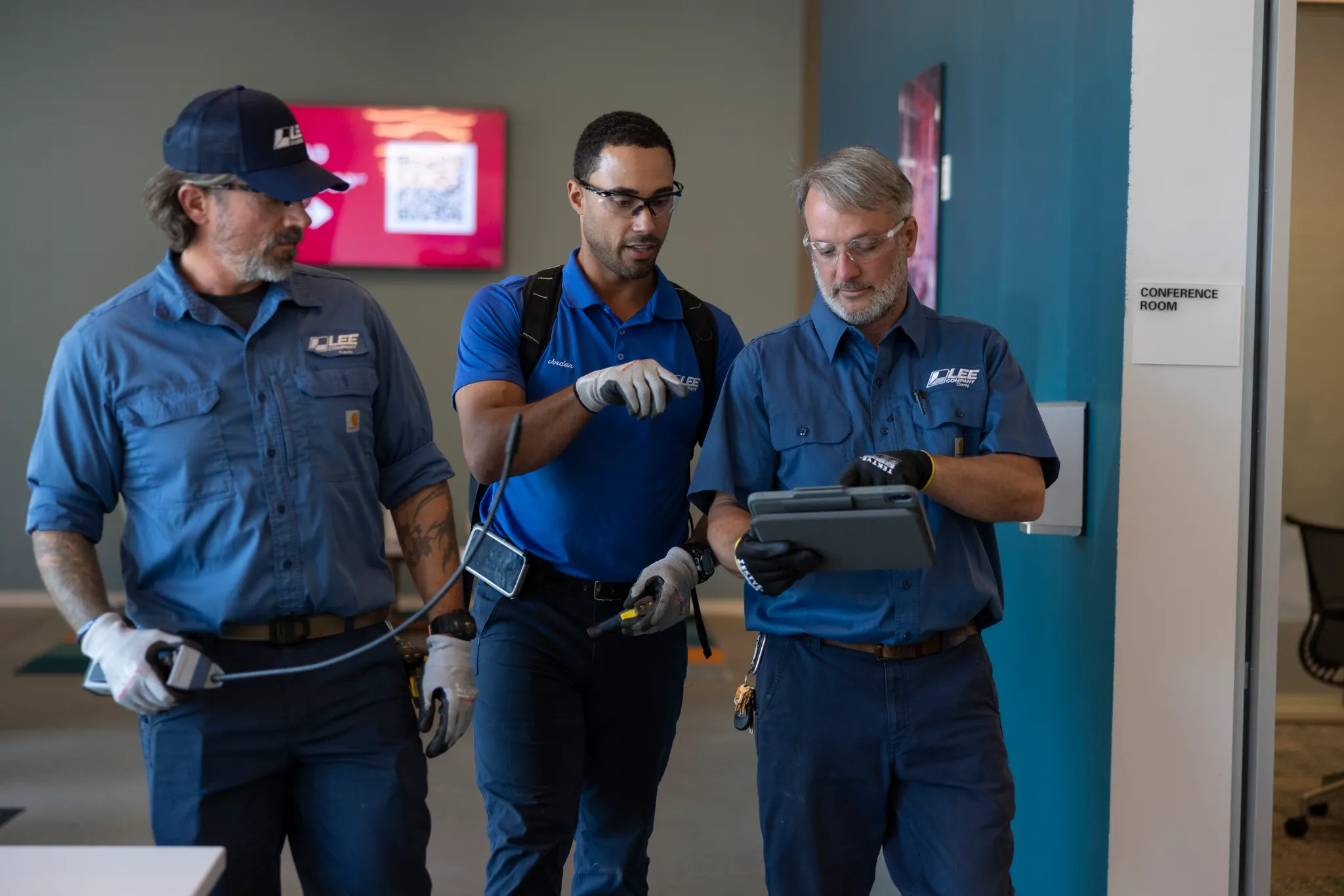
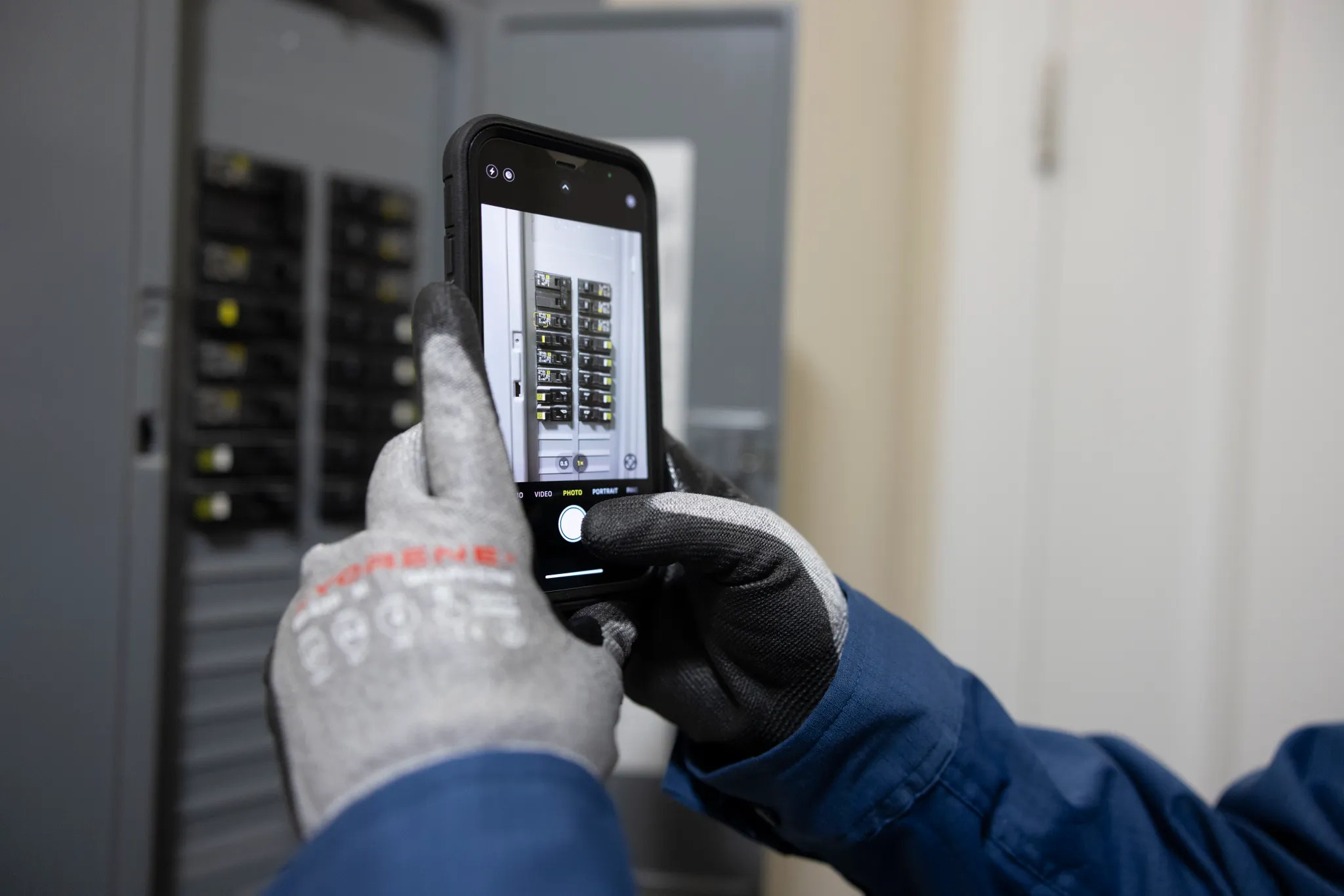
Our field teams rely on mobile platforms that provide instant access to equipment specifications, service histories, digital documentation, and real-time collaboration tools. We utilize innovative technology to enable our technicians to capture videos, share expertise across teams, and deliver greater transparency to customers.
“Modern technology has really made it a lot easier to learn everything and as well as just getting to see different situations and kind of puzzle out and fix things with my hands,” says Kelsey R. “This technology plays a huge role in my maintenance especially. We take plenty of pictures and videos that go back to the customer. We take videos of the panel, all of the voltages checked, everything. It really plays a big part in helping the customer see what we do.”
At Lee Company, these advanced tools help our team members learn from one another, build confidence in the field, and provide a better experience for our customers.
Building Smarter
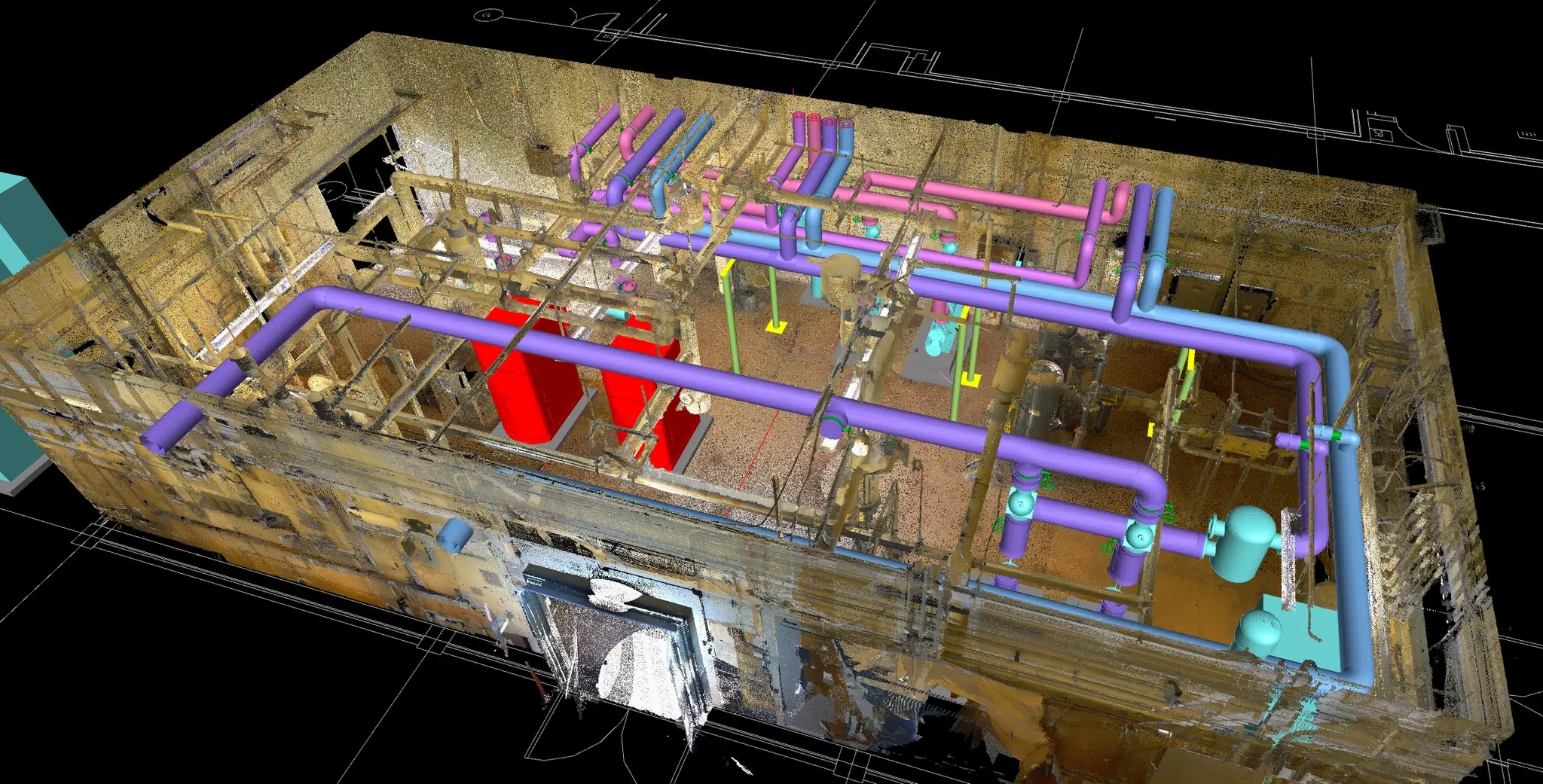
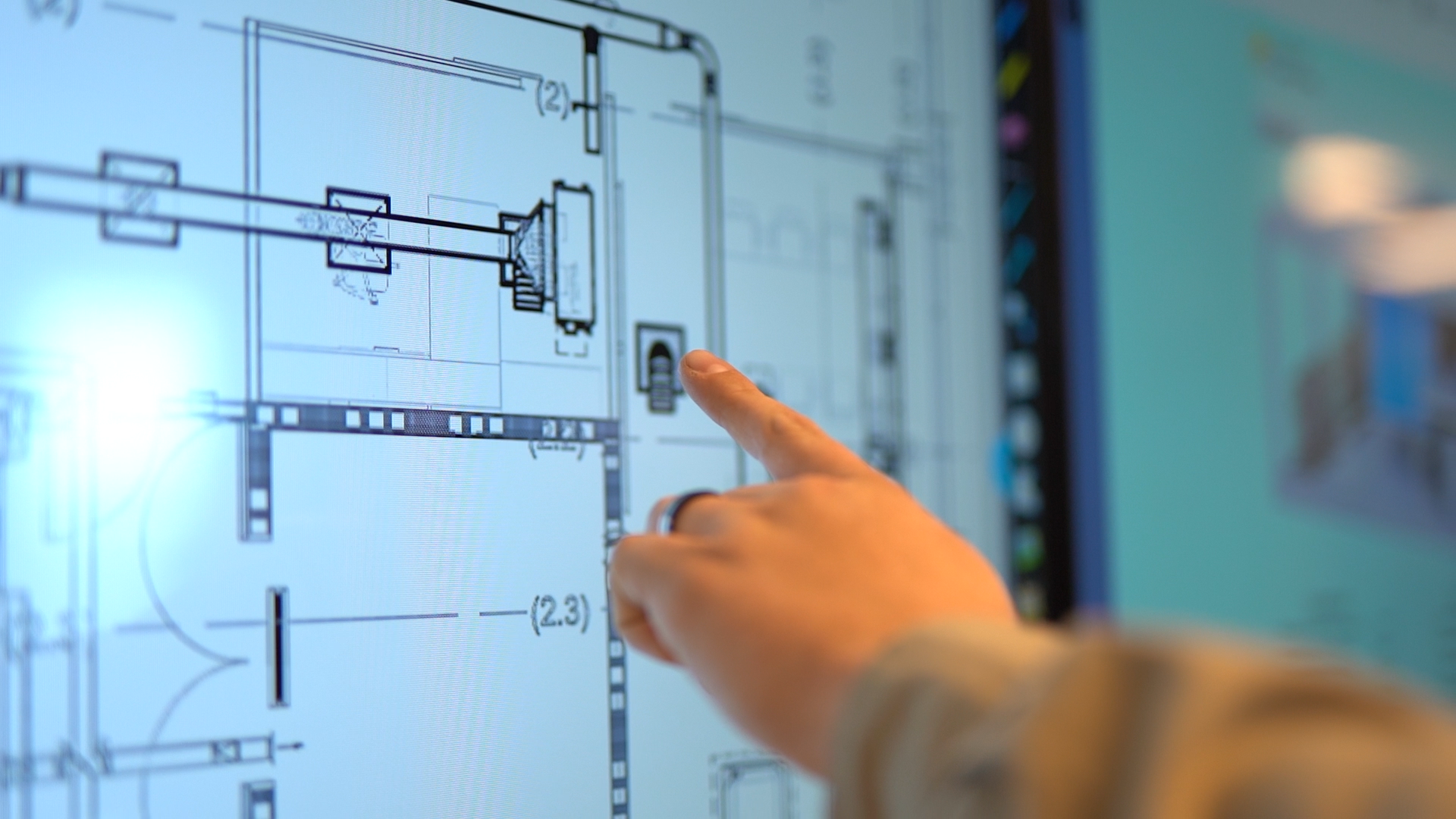
Long before crews arrive on-site, teams use Building Information Modeling (BIM) and Virtual Design and Construction (VDC) to create detailed digital representations of complex projects. These virtual environments make it possible to build virtually before we build physically, helping teams identify clashes, optimize installation strategies, and solve challenges before construction even begins.
Technology continues to support our teams throughout the construction process. Augmented reality tools allow us to compare what was designed with what has been installed in real time, helping confirm accuracy and track progress. Digital layout technology, such as Trimble, enables installers to quickly and accurately locate pipe penetrations and openings before work begins.
Our teams also use digital scanning to create 3D models of existing spaces. These models help construction teams design, coordinate, and install systems more effectively, especially in existing facilities where accurate information is critical.
Inside the facilities themselves, Building Automation Systems (BAS) act as the centralized intelligence layer connecting HVAC, lighting, security, and other critical infrastructure. Through advanced controls, Internet of Things (IoT) technologies, and systems integration, buildings become more responsive, efficient, and adaptable.
Maintaining those environments requires more than routine inspections. Thermal imaging cameras, ultrasonic leak detectors, vibration analysis equipment, and other advanced diagnostic technologies help identify issues that aren’t visible to the naked eye. Combined with historical performance data and predictive maintenance strategies, these tools support better decision-making, minimize downtime, and extend the life of critical assets.
As buildings become increasingly intelligent, the line between mechanical systems and digital systems continues to blur. Careers in the skilled trades now intersect with software platforms, analytics, controls engineering, and networked technologies. For people who enjoy solving complex problems, the opportunities are greater than ever before, and we have those here.
Growing in Your Career
Keeping pace with that innovation requires continuous learning.
That’s why ongoing training and professional development remain an important part of working at Lee Company.
“If you need more training to be able to effectively do your job, that training is available, and you should take advantage of it,” says Dean V.
Scott G. shares a similar mindset.
“If you want to advance and get ahead. Reach out and go for that knowledge yourself.”
A career here isn’t limited to the field. Behind every successful project is a team working together to coordinate schedules, resources, manpower, and execution.
Working Together to Make It Happen
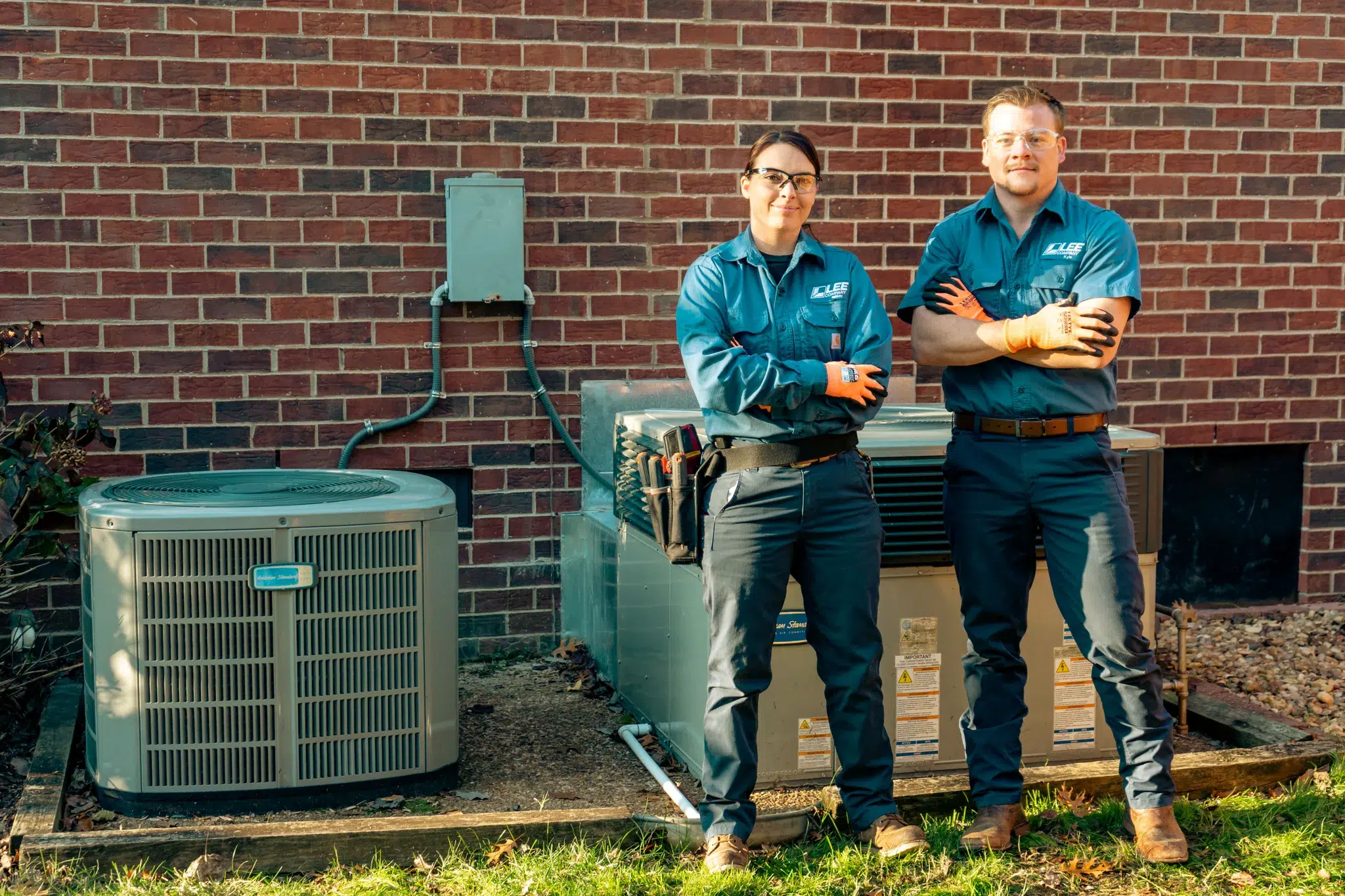
“We do anything that’s behind the scenes, supporting superintendents, project managers, the general superintendent, controlling manpower, time, literally anything that is back behind the scenes, we do,” says Haley Y.
The trades have changed. Today’s careers combine hands-on expertise with advanced technology to solve challenges that impact the places where people work, learn, and live. They demand critical thinking, adaptability, and a willingness to keep learning as the industry evolves.
The future isn’t built by people who simply follow instructions. It’s built by people who understand how systems work together and how to make them work better.
Ready to build the future with us? Explore our career opportunities and discover how you can put your problem-solving skills to work using some of the industry’s most advanced tools and technologies while building a career here.