
Roof issues, broken HVAC systems, and active plumbing leaks are the repairs most likely to cost you when selling your home. Buyers spot them during walkthroughs, home inspectors confirm them, and suddenly you’re either fixing them under pressure or accepting a lower offer.
This guide covers which pre-listing repairs actually matter and how to handle them without overspending.
Pre-Listing Home Repairs Checklist
A good home inspection checklist for sellers focuses on what buyers notice first and what inspectors most often flag. Buyers using FHA or VA loans need everything working as expected, since lenders won’t sign off on homes with system issues.
So, before you schedule your listing photos, walk through your home with an inspector’s mindset.
Home Inspection Checklist for Sellers
- Roof and gutters inspected
- A/C and heating system serviced
- Plumbing leaks addressed
- Electrical system checked
- Paint and cosmetic updates completed
- Windows and doors sealed
We’ll look at each of these individually below. You can also review our Home Maintenance Checklist to make sure nothing else is missed.
We have a large team of licensed technicians, experienced in heating, air conditioning, plumbing, electrical work, painting, and more, to support you. We can coordinate repairs so you’re not managing multiple contractors while also prepping to move.
Roof and Gutters: The First Repairs Buyers Notice
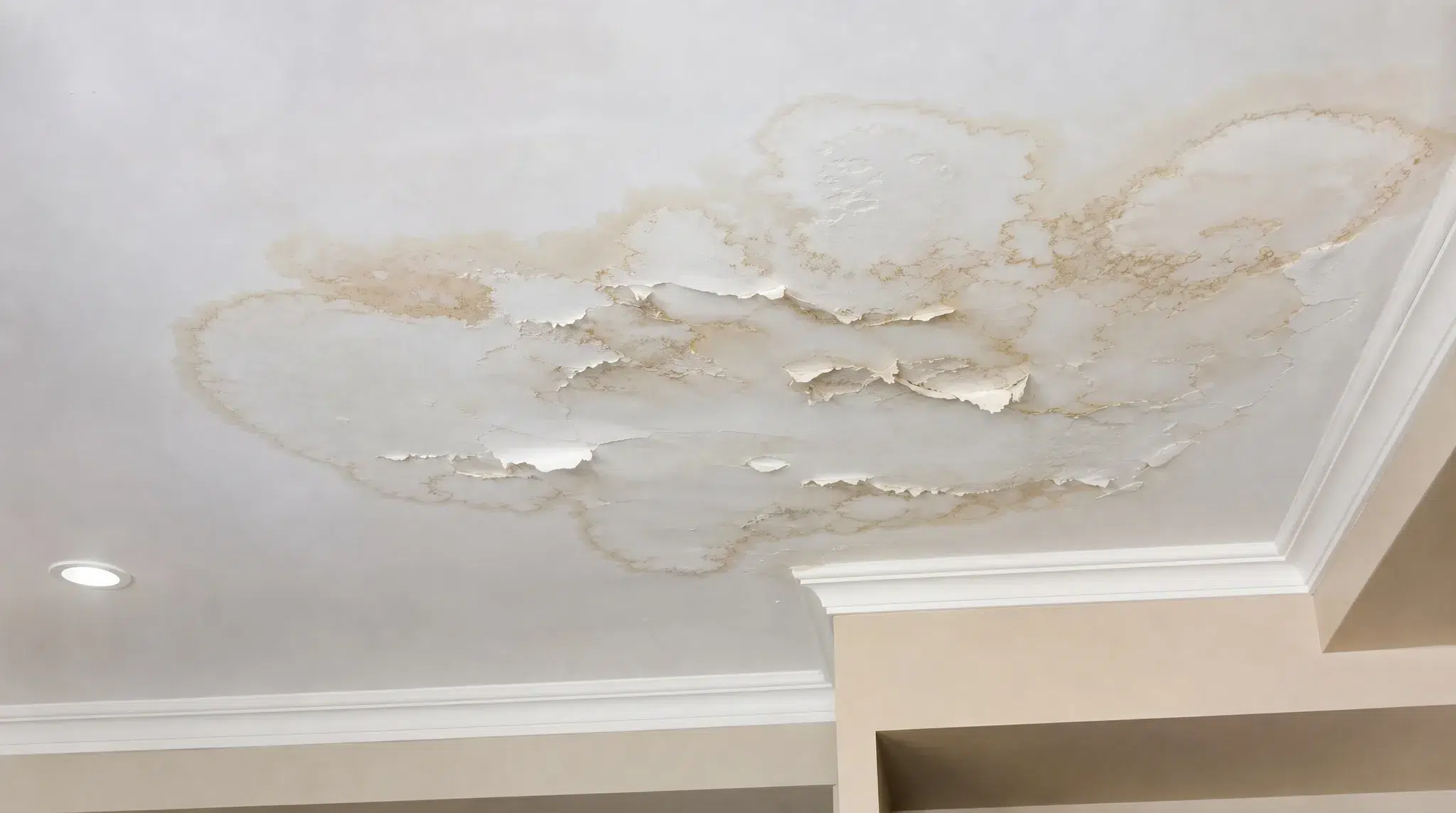
Roof problems are one of the fastest ways to derail a home sale because they signal potential water damage, structural issues, and future expenses to buyers and lenders.
Issues Buyers and Inspectors Look For
- Shingles that are missing, torn, or curling at the edges
- Soft spots or dark staining on the roof surface
- Gutters pulling away or not draining properly
- Water marks or pooling around the foundation
Small repairs like replacing shingles or securing gutters are often a few hundred dollars, while full roof replacement can run into the thousands (which is why this gets flagged quickly during negotiations).
If you’re in the Southeast like we are, you know how hard our homes have to work.
Your roof handles months of 90-degree heat, thunderstorms, and the occasional hail, snow, or ice.
Gutters clog up with leaves and pine needles, then overflow straight onto the ground next to your house. Buyers know this, so they’re looking for it.
We repair and maintain gutters as part of our home services, and we can connect you with trusted roofing partners if your inspection turns up issues.
HVAC Reliability: A/C and Heating Systems Must Work
Your A/C and heating system need to work reliably before listing, or buyers and lenders may require repairs before the sale can move forward.
Common HVAC Problems That Can Delay a Home Sale
- Your home won’t reach the set temperature.
- The system runs constantly without cycling off.
- Energy bills increase without a clear reason.
- Airflow feels weak or uneven from room to room.
- Strange noises like banging, rattling, or buzzing occur.
- Unusual odors are noticeable when the system turns on.
- Frequent thermostat adjustments produce little change.
- Ice appears on the outdoor unit or refrigerant lines.
- No recent maintenance or service records available.
If your system struggles to maintain temperature or lacks maintenance records, it can slow down the sale.
Systems that are 10-15 years old tend to get extra attention during inspections, especially if there are no recent service records.
From the inspection calls we respond to, aging HVAC systems consistently show up as one of the most frequent repair triggers.
In the Southeast, A/C units don’t get much of a break. Constant summer use puts stress on compressors, fans, and ductwork.
A thorough inspector won’t just check that it turns on. They may also check airflow strength, refrigerant levels, and component condition, too.
One of our senior HVAC technicians puts it this way:
“Home inspectors know what to look for. When sellers wait until inspection day to find out their system has issues, they’re negotiating repairs from a tough spot. Getting a tune-up gives you control over the repair timeline and cost.”
We handle A/C inspections, repairs, and tune-ups so your system performs the way buyers expect.
Our Lee Company+ membership gives you inspections throughout the year, priority service, and discounts on repairs. It’s a great option if your move is more than a year out and you want to maximize your home resale value before it hits the market.
Plumbing and Leak Prevention: Small Drips, Big Problems
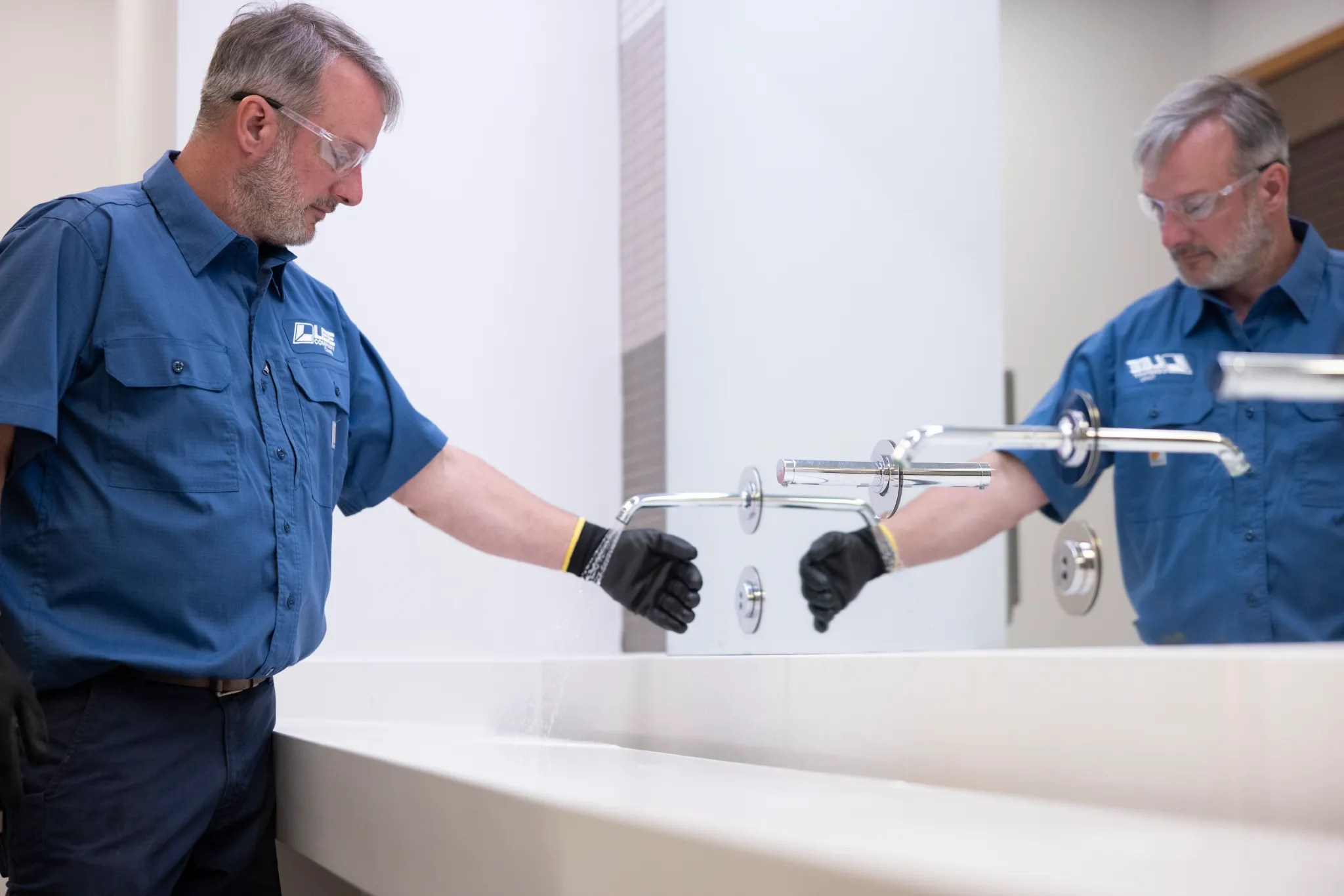
Plumbing leaks need to be fixed before listing because even small issues show up on inspection reports and often lead to repair requests or buyer credits.
Plumbing Issues Buyers Notice
- Faucets that drip or won’t shut off fully
- Slow or gurgling drains
- Visible pipe corrosion
- Water heater age and condition
Many of these are inexpensive to fix early, but once documented in an inspection report, they often turn into negotiation points.
A dripping faucet may seem minor, but it raises questions about water pressure, pipe condition, and other maintenance habits. The same goes for slow drains or running toilets.
How to Check for Hidden Plumbing Issues Before Listing
- Check under sinks for moisture or staining.
- Run all faucets and monitor pressure.
- Flush toilets and listen for continuous running.
- Inspect around the water heater for rust or leaks.
Water heaters typically last 8-12 years. If yours is older or shows signs of rust around the base, buyers will question whether it needs to be replaced soon.
We regularly see older water heaters flagged during buyer inspections, especially once they pass the 8-year mark.
Our licensed plumbers handle everything from basic repairs to advanced solutions like trenchless pipe replacement. That way, nothing becomes a point of negotiation during your sale.
Electrical Safety Fixes That Keep Your Sale Moving
Electrical issues need to be addressed before listing because safety concerns and code violations can prevent a sale from moving forward.
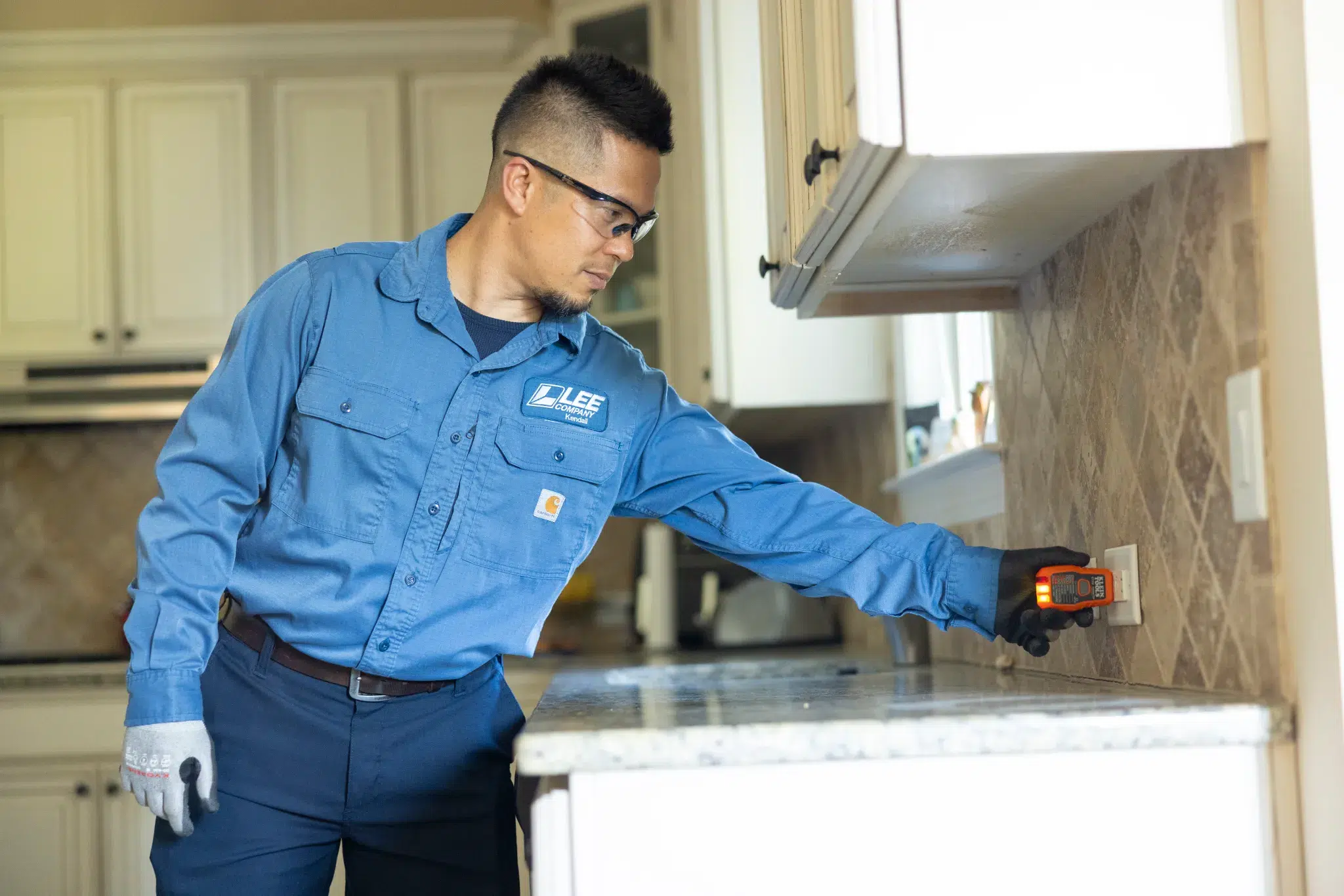
Inspectors test outlets, check your panel, and look for code violations that could prevent the buyer’s lender from approving the loan.
Electrical Problems to Fix Before Listing
- Lights flickering or dimming randomly
- Outlets that are loose, warm to the touch, or don’t hold plugs securely
- Bathrooms and kitchens without GFCI outlets
- An electrical panel that looks disorganized or has unclear labeling
Many homes need minor electrical fixes to pass inspection, especially if they were built before the mid-1990s, when GFCI outlets weren’t standard in kitchens and bathrooms.
Homes from the 1960s through the early 1980s can also have older panels, aging wiring, or overloaded circuits that no longer meet today’s safety expectations.
Updates such as adding GFCI protection or correcting panel issues are relatively straightforward, but they must meet current code to pass inspection.
Our licensed electricians can handle these updates so your home meets current safety standards before inspection day.
Paint and Cosmetic Fixes: Fastest Way to Maximize Home Resale Value
Paint and cosmetic updates are among the quickest ways to improve buyer perception and help your home sell for a higher price.
Simple Home Updates That Boost Buyer Appeal
- Neutral wall colors
- Clean baseboards and trim
- Updated cabinet hardware
- Consistent, modern lighting
- Outlet covers and switch plates that match
These updates are relatively low-cost compared to major repairs, but they directly affect how buyers assess the home’s condition.
If you’re planning updates, it helps to review how renovations can increase home value and where paint fits into that strategy.
When the project gets more detailed, you may want to consider hiring a professional painter. It also helps to understand common mistakes to avoid when painting, so results look consistent across the home.
Windows, Doors, and Sealing: Fix Drafts Before Buyers Notice
Sealing windows and doors is an important step in pre-listing home repairs because drafts or sticking frames make buyers suspect foundation or insulation issues (even when the real problem is just worn weatherstripping or loose hinges).
Draft and Door Problems to Fix Before Listing Your Home
- Air leaks around windows or exterior doors
- Doors that scrape the floor or won’t latch
- Dried-out or missing caulk around window frames
- Fog or moisture between window panes
- A garage door that’s noisy, unbalanced, or struggles to open
Southern summers mean high A/C bills. Buyers notice drafts and gaps because they know it affects their monthly costs.
Our professional handyman team handles common home repairs like weatherstripping replacement, hinge adjustment, and sealing gaps around windows.
We also repair garage doors so they operate quietly and reliably during showings.
Pre-Listing Home Repair Mistakes That Can Cost You at Closing
Pre-listing repair mistakes usually come down to timing, prioritization, and documentation, and each one can affect your final sale price.
In our own service data, about 8-10% of the calls we handle each year are tied to home sales, usually driven by inspection findings or last-minute repairs.
Repair Mistakes to Avoid Before Selling Your Home
- Waiting until the inspection to fix issues: Repairs made after the inspection often result in buyer credits, which are typically higher than the actual repair cost.
- Installing upgrades when you should be fixing systems: Buyers won’t pay more for your remodeled bathroom if your A/C is struggling. They want reliable systems first, cosmetic upgrades second.
- Failing to keep maintenance records: A well-maintained A/C or water heater still raises questions if there are no records to support it.
- DIY fixes that fail inspection: Surface-level repairs can still be flagged if they don’t meet code or show signs of improper work.
Small decisions during the pre-listing phase can shape how buyers evaluate your home. When repairs are handled early and documented clearly, negotiations tend to stay focused on price rather than condition.
We help you avoid these issues by identifying what actually needs attention, completing repairs to code, and making sure everything is properly documented before your home goes on the market.
Why We’re the Right Partner for Pre-Listing Repairs
Handling repairs before selling a home is easier when one team can manage multiple systems. That keeps the process organized and helps you avoid gaps that show up during inspection.
We handle HVAC, plumbing, electrical, and general home repairs in one place. That means fewer delays and a clearer path to getting your home market-ready.
Our Lee Company+ membership also helps homeowners stay ahead on maintenance, making pre-listing prep more straightforward.
If you’re preparing to sell, schedule an inspection today. We can help you identify what matters most and get those repairs handled before buyers ever step inside.
FAQs About What to Repair Before Selling a Home
Should I replace or repair before selling?
Repair is usually the better option if the system is under 10-15 years old and still functioning reliably.
When a repair starts to creep past a few hundred dollars or raises reliability concerns, it’s worth weighing the ROI of a replacement to keep your sale moving smoothly.
What repairs should I make before selling my home?
Focus on roofing, HVAC, plumbing, electrical, and cosmetic updates, as these are the areas most likely to affect inspections and buyer confidence.
Do I need a pre-listing inspection?
Yes, a pre-listing inspection helps identify issues early so you can fix them before they affect negotiations.
What are the most cost-effective home improvements for sale?
Paint, minor repairs, and basic system maintenance offer strong returns. They improve how the home shows without requiring a major investment.
Can I handle repairs myself before listing?
Some minor fixes are manageable if you’re comfortable and have the right tools, but a licensed professional should handle anything involving electrical, plumbing, HVAC, or structural work. These systems have specific code requirements, and DIY work that doesn’t meet them can get flagged during inspection or delay closing.